Types of Taper Fades: 12 Stylish Haircuts for Men in 2026
Pick the wrong taper and you’ll hate your haircut for three weeks. I see it every week. A guy shows me a photo, says “taper fade,” and means something totally different from what I picture.
Here’s the problem. There are many types of taper fade, and each one looks different. This guide covers the 12 types of taper fade I cut most. You’ll get guard numbers, price ranges, face shape tips, and the exact words to say in the chair.
What Are the Main Types of Taper Fade?
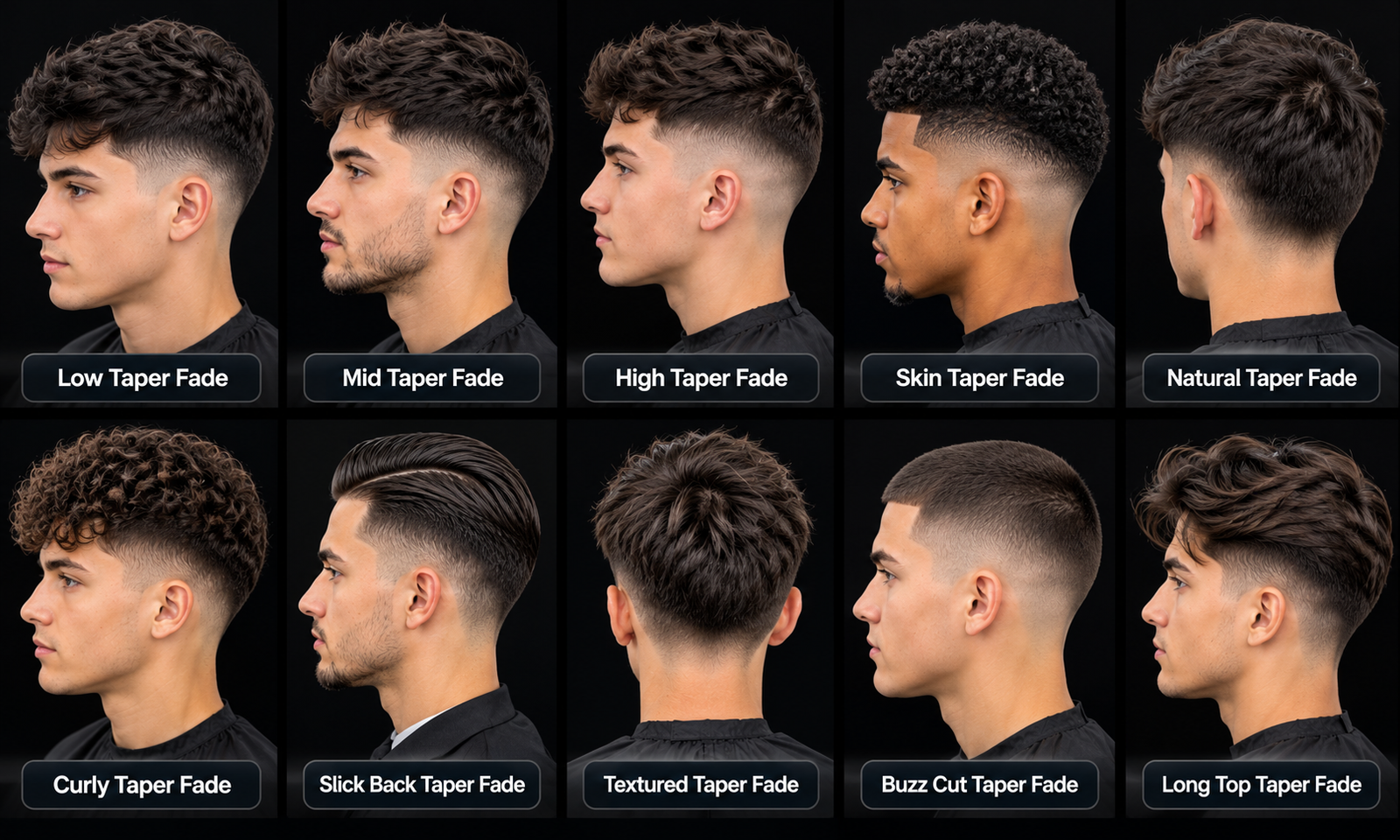
The main types of taper fade are low, mid, and high. Each one starts the fade at a different spot on your head. Add skin, burst, drop, shadow, and temple versions, and you have eight core styles. Then you match them to your hair type.
What type of taper is best?
The best taper is the one that fits your face shape, hair, and job. For most guys, that’s the low taper fade. It looks clean at work and sharp on weekends. Of all the types of taper fade, low is the easiest to grow out.
What does a 3:2:1 fade look like?
A 3:2:1 fade steps down through guard sizes 3, 2, and 1. A #3 is 3/8 inch, a #2 is 1/4 inch, and a #1 is 1/8 inch. It looks soft and gradual, with no harsh line. Barbers use this blend inside many types of taper fade.
Also Read This Style: Low Taper Fade for Kids: 15 Stylish Haircuts for Boys
What is a 4 fade haircut?
A 4 fade is a fade that ends at a #4 guard, which is 1/2 inch. Some barbers also use the term for a fade with four guard steps. Either way, it’s longer and softer than a skin fade. Ask your barber which one they mean.
What are the top 10 best fade haircuts?
Most barbers would name these ten: low taper, mid taper, high taper, skin fade, burst fade, drop fade, shadow fade, temple fade, textured crop with a taper, and curls with a taper. The first eight are the core types of taper fade covered below.
Quick Navigation: Types of Taper Fade at a Glance
This table lines up the types of taper fade by height, guard, and price. Prices are typical US shop ranges and change by city.
| Style | Fade starts | Typical guards | Best for | Price |
| Low taper | Just above ear | #2 into #4 | Office, first-timers | 25–40 |
| Mid taper | At the temple | #1 into #3 | Most face shapes | 25–40 |
| High taper | Above the temple | #0.5 into #3 | Bold, short looks | 28–45 |
| Skin fade | Down to bare skin | #0 + foil shaver | Sharp contrast | 30–50 |
| Burst fade | Curves around ear | #2 into #4 | Mohawks, long tops | 30–50 |
| Drop fade | Curves behind ear | #1 into #3 | Angular heads | 30–45 |
| Shadow fade | Soft, stops before skin | #1.5 into #3 | Subtle, professional | 25–40 |
| Temple fade | Temples and sideburns | #1 into #3 | Neat sides, full back | 28–45 |
| Hair-type versions | Varies | Varies | Curly, straight, afro, Asian | 30–55 |
What Is a Taper Fade?
A taper fade is a haircut where the hair gets shorter in smooth steps toward the neckline and around the ears. It leaves some length at the edges. That’s why it looks softer than a full fade. Knowing this helps you compare types of taper fade without getting lost.
Taper vs. Fade: What’s the Difference?
A taper shortens the hair a little at the edges. A fade cuts much shorter, often down to skin. Most types of taper fade sit between the two.
- Taper: ends around a #2 or #3 and stays low at the neckline and sideburns.
- Fade: goes down to a #0 or skin and climbs higher on the head.
- Taper fade: blends both for a clean look without a bald finish.
Quick tip: say “taper” for a natural look. Say “fade” for strong contrast.
The 3 Foundation Types of Taper Fade
Height decides everything. These three types of taper fade are where every other style starts.
Low Taper Fade
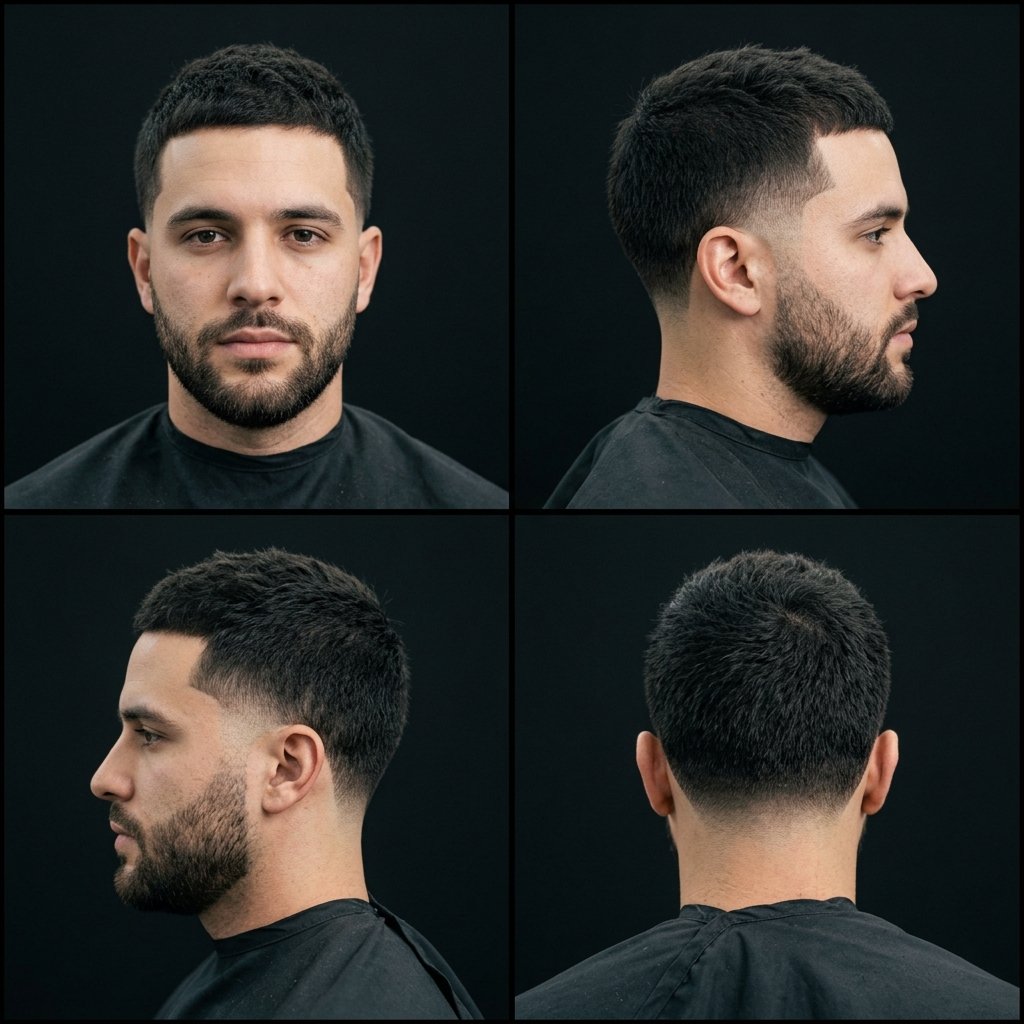
The low taper fade is a gentle blend that starts just above the ear and ends at the nape. It’s the softest of all the types of taper fade. Oval, square, and round faces all suit it, since it keeps your natural head shape. Ask for a #2 at the bottom, blended into a #4 or #5. Book a touch-up every three to four weeks, or the neckline gets fuzzy.
Say this in the chair: “Low taper, number 2 at the bottom, blend into a 4, natural neckline.”
Mid Taper Fade
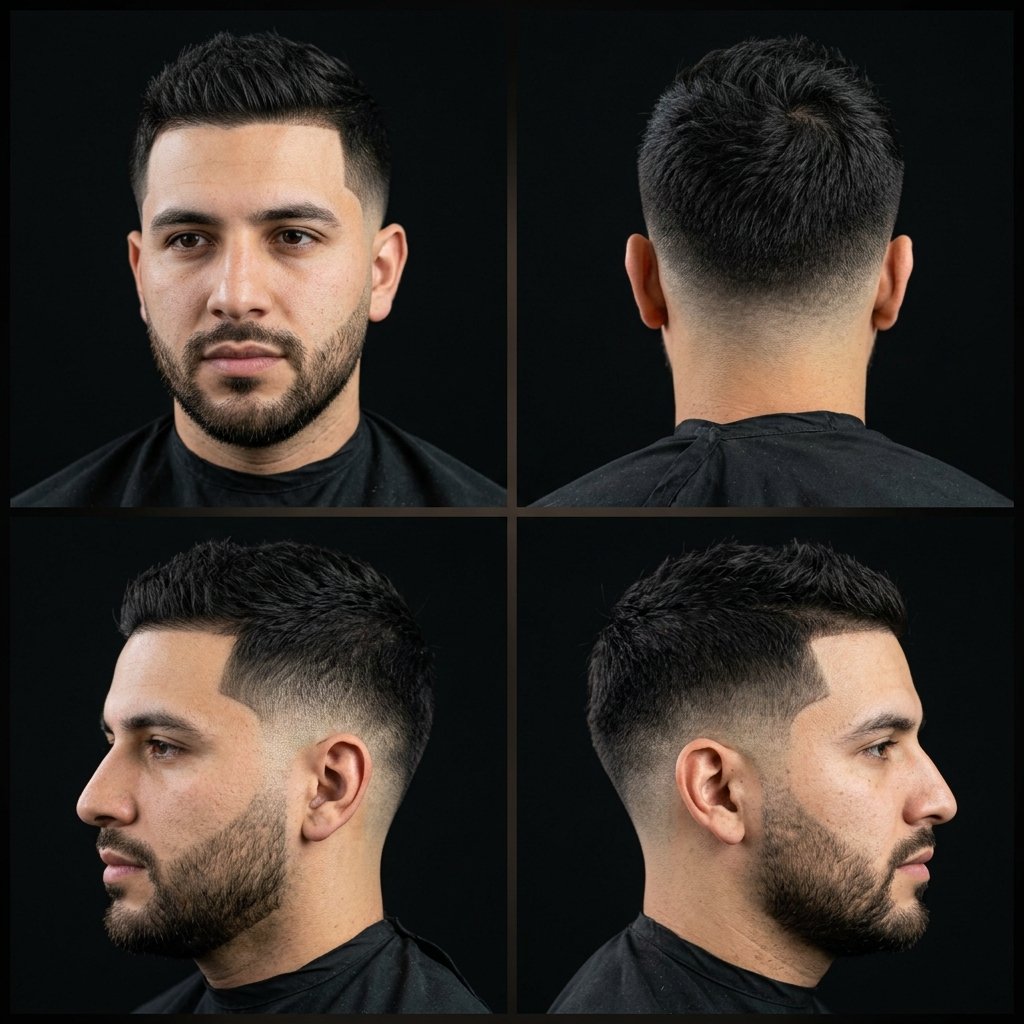
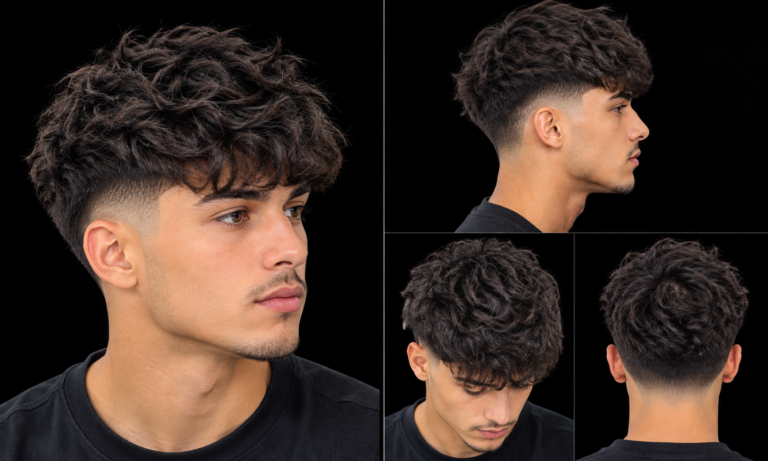
Most guys who sit in my chair leave with a mid taper fade. It starts at the temple, about halfway up the side of your head. That makes it the best middle ground among the types of taper fade. It balances long faces and works with almost any top, from a quiff to a crop. Use a #1 at the bottom and blend into a #3. Expect it to look fresh for about three weeks.
High Taper Fade
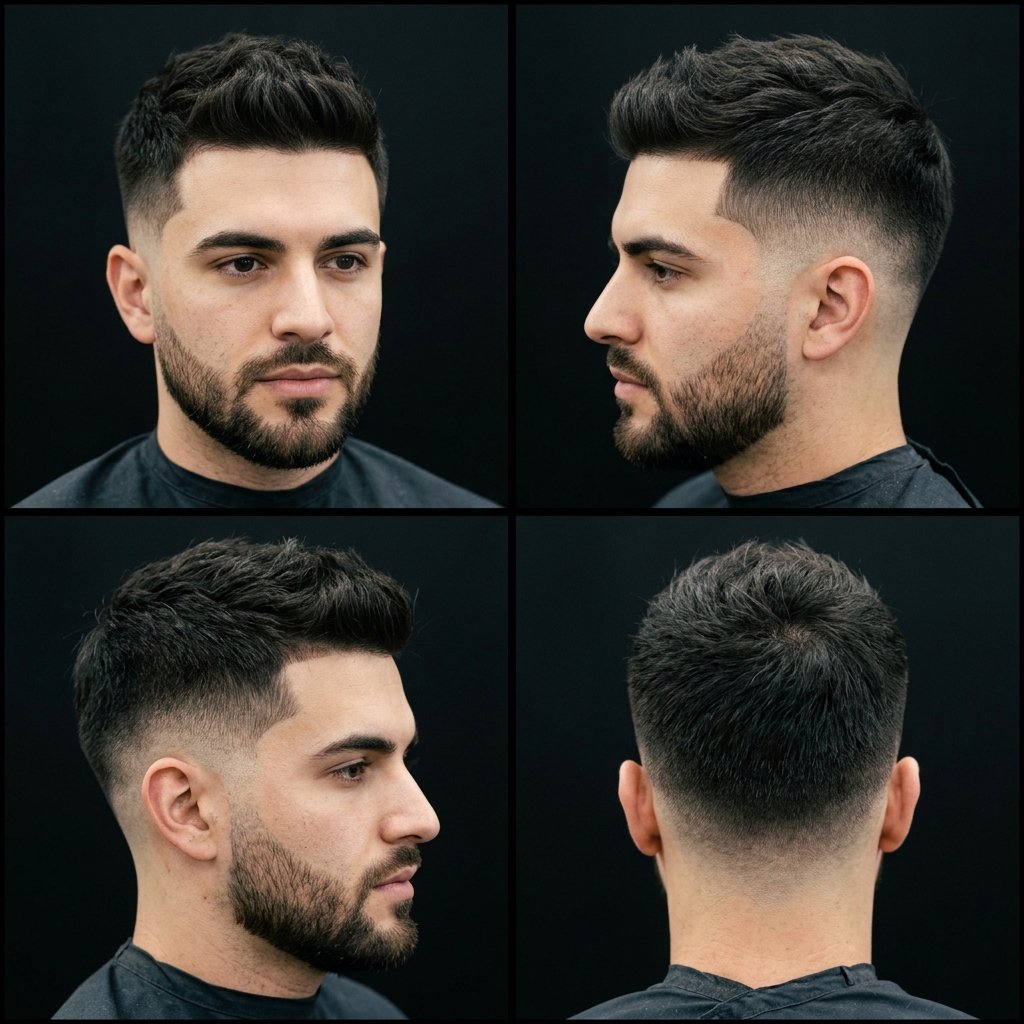
If you want the cleanest edge, go high. The high taper fade starts above the temple and drops fast, so the contrast is strong. It’s the boldest of the three foundation types of taper fade. Round and oval faces get extra height from it, which slims wider cheeks. Ask for a #0.5 or #1 at the bottom, blended into a #3. It grows out fast, so plan a visit every two to three weeks.
Advanced Technique Variants: Beyond Basic Height
These types of taper fade change the shape of the blend, not just the height. Each one is a different tool in the barber’s kit.
Skin Fade / Bald Fade Taper
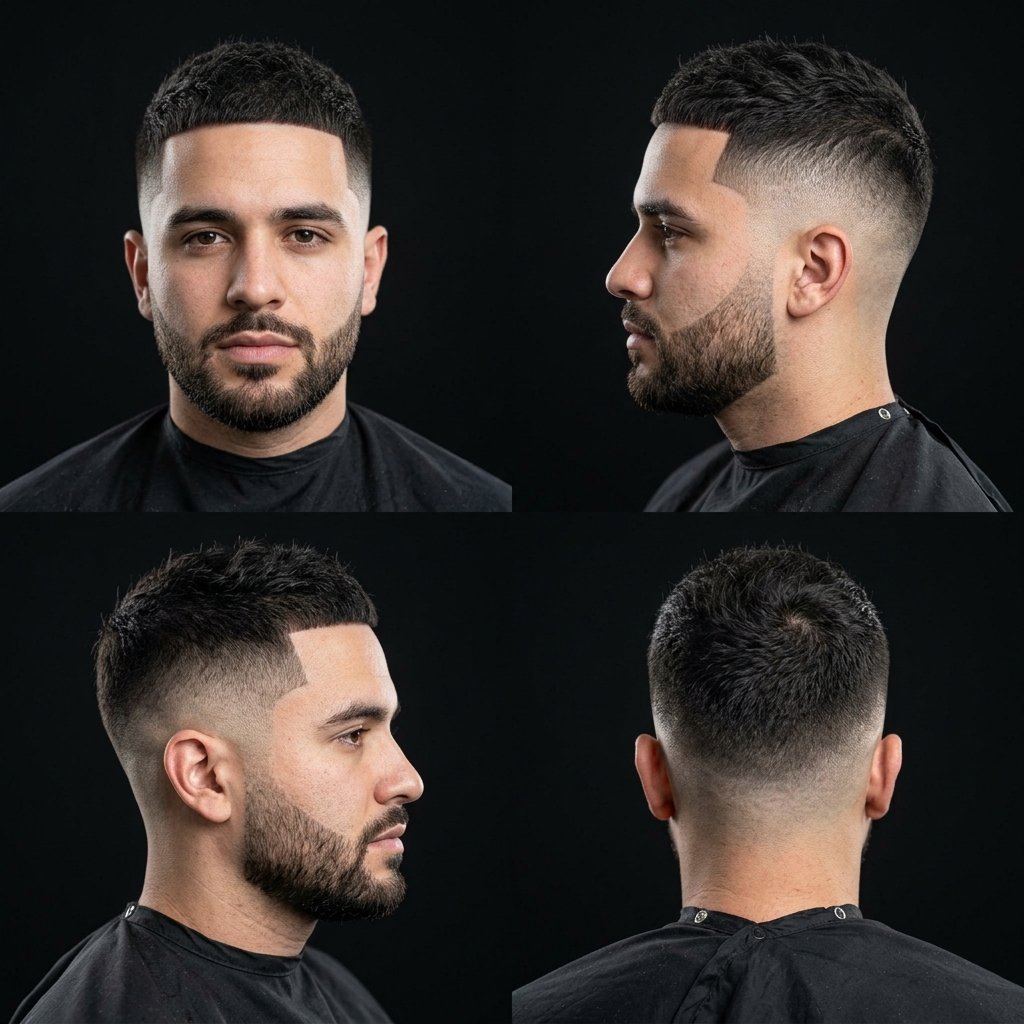
A skin fade, also called a bald fade taper, drops all the way down to bare skin. Of all the types of taper fade, this one shows every mistake. It suits guys with strong jawlines and clean head shapes, since nothing hides a lump. Your barber should start with a #0 and finish with a foil shaver. Stubble shows up in days, so plan on every two weeks.
Burst Taper Fade
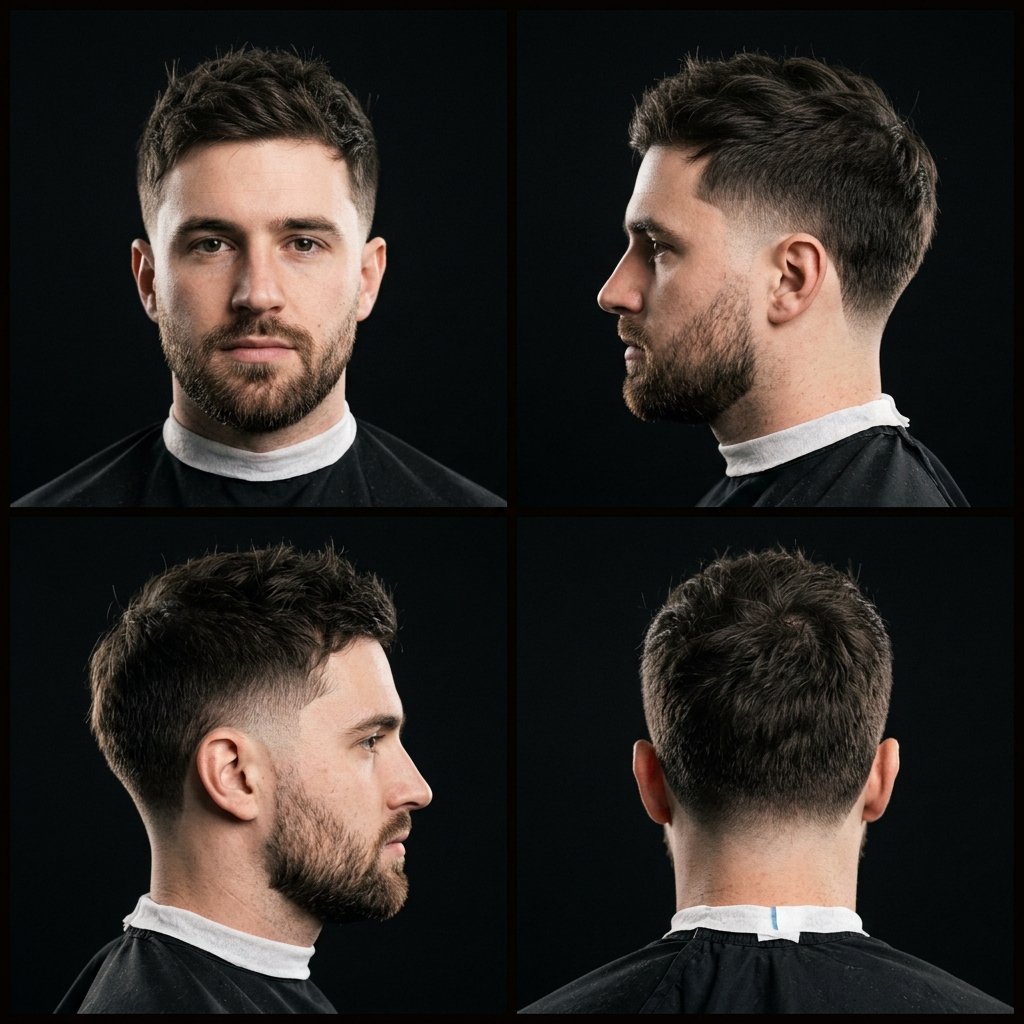
The burst taper fade curves around the ear in a half circle and leaves length at the back. That curve is what sets it apart from a standard fade. It works best with a mohawk, faux hawk, or longer curls on top. Ask for a #2 around the ear, blended into a #4 where the curve ends. The back stays long, so trim the sides every three weeks and shape the back every six.
Drop Fade Taper
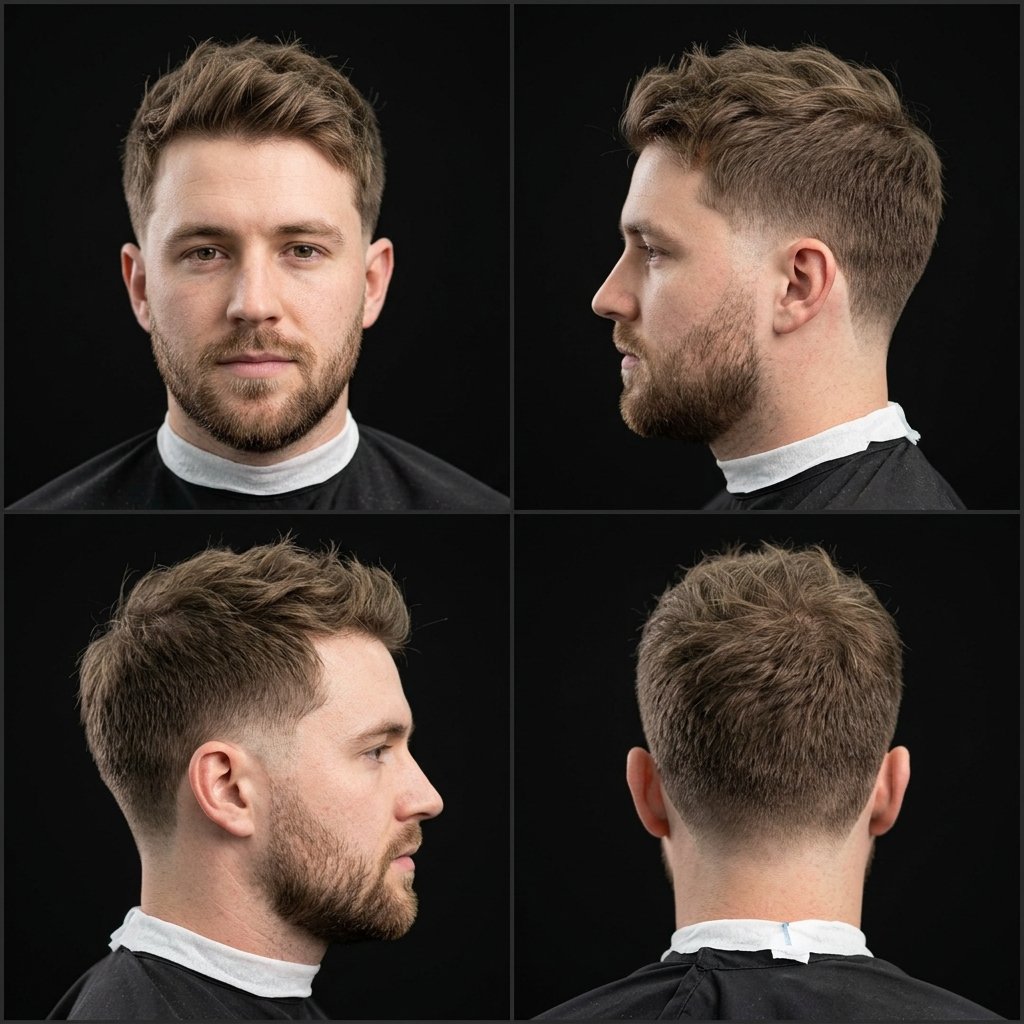
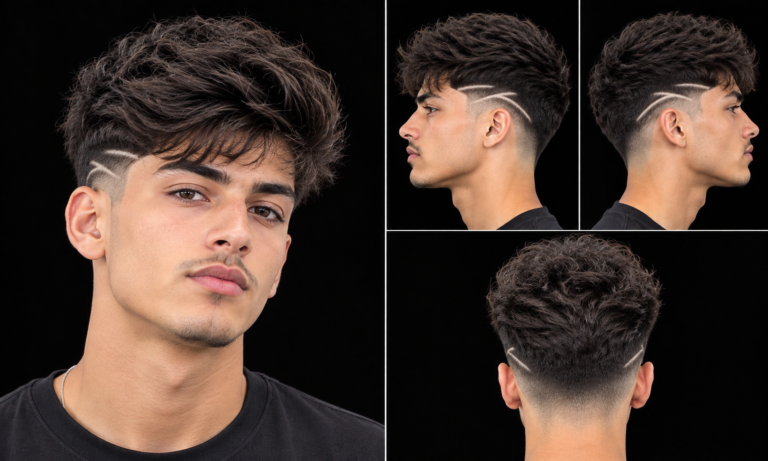
On a drop fade taper, the fade line curves down behind the ear instead of running straight around your head. That “drop” adds shape at the back. Guys with angular or flat-backed heads get the most out of it. Ask for a #1 blended into a #3, with the line dropping behind the ear. The curve fades fast, so tidy the line every three weeks.
Shadow Taper Fade
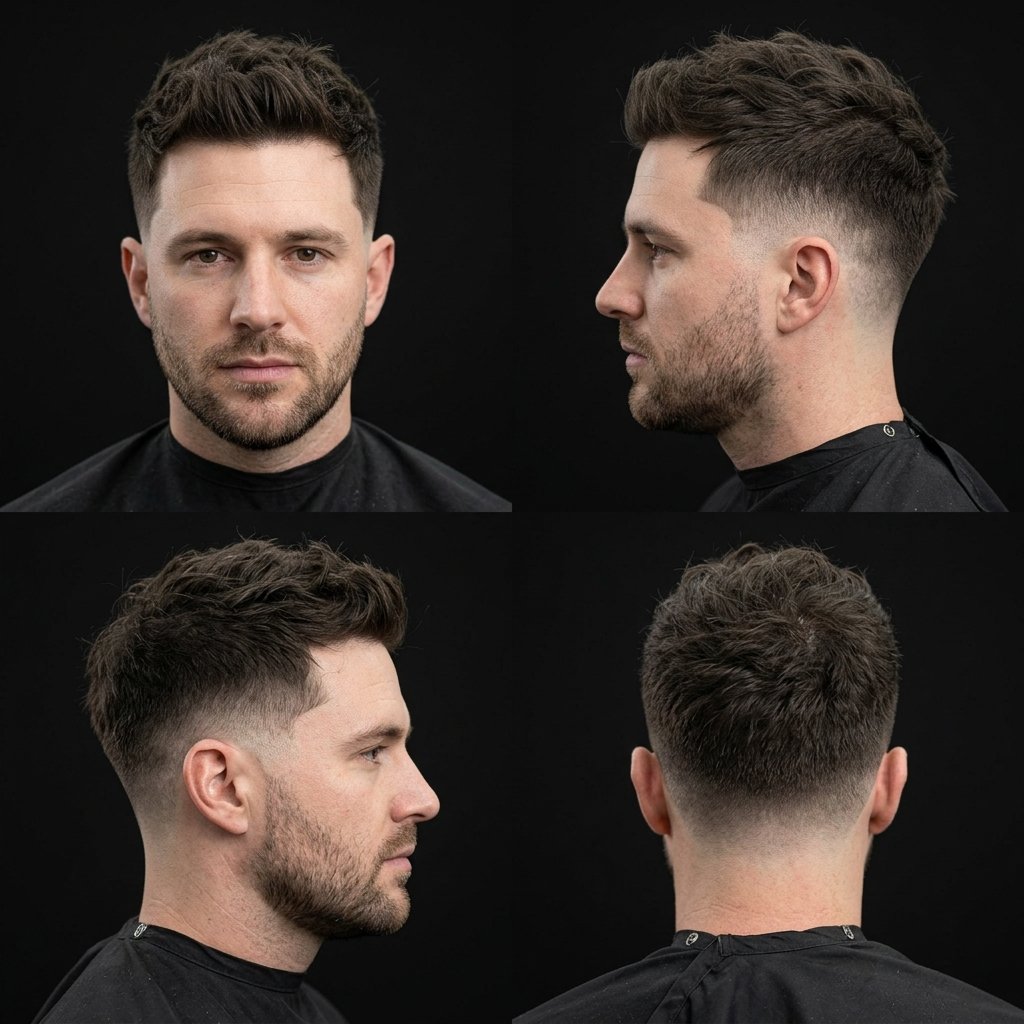
Here’s a quiet one. A shadow taper fade is a soft blend that stops before bare skin, so it looks like a faint shadow. It suits office jobs, fine hair, and anyone who dislikes high contrast. Ask for a #1.5 or #2 at the bottom, blended into a #3. Because there’s no skin contrast, it grows out well and lasts close to four weeks.
Temple Fade (Brooklyn Fade)
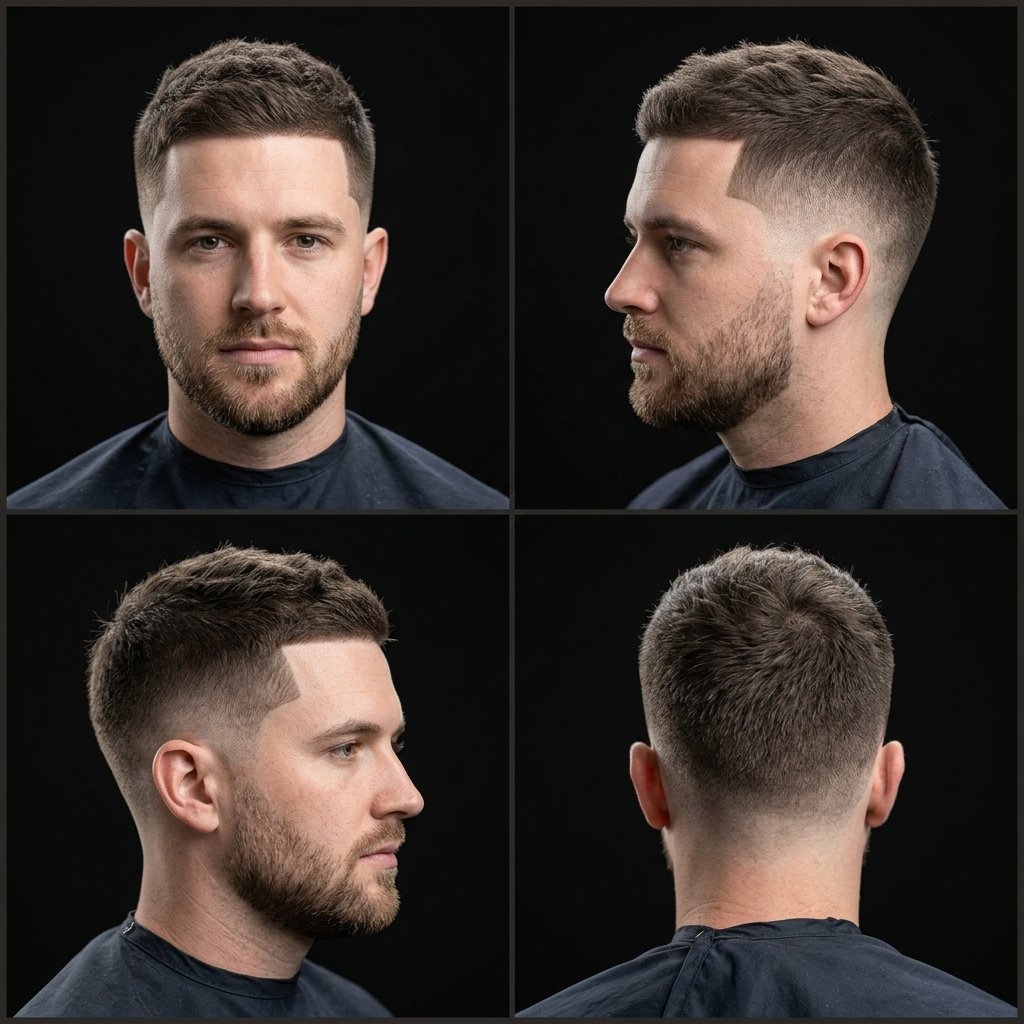
The temple fade, also called the Brooklyn fade, tapers only the temple and sideburn area. The back and neckline stay natural. It fits guys who want neat sides but a fuller back. Ask for a #1 at the temples, blended into a #3, and say “leave the neckline alone.” Tidy the temples every two to three weeks to keep the shape.
Taper Fade Styles by Hair Type & Texture
The same types of taper fade look different on every hair type. Texture changes how the blend sits, how long it lasts, and how you style it.
Taper Fade for Curly Hair
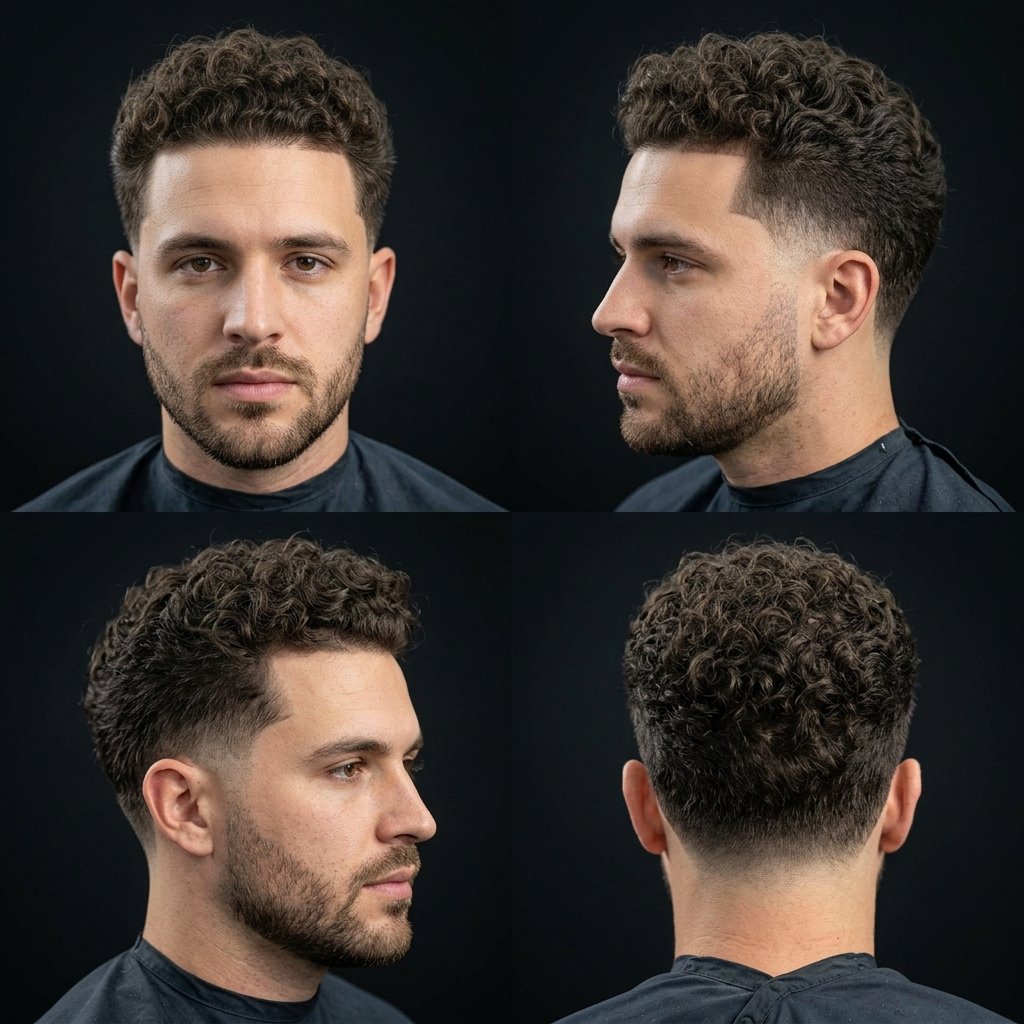
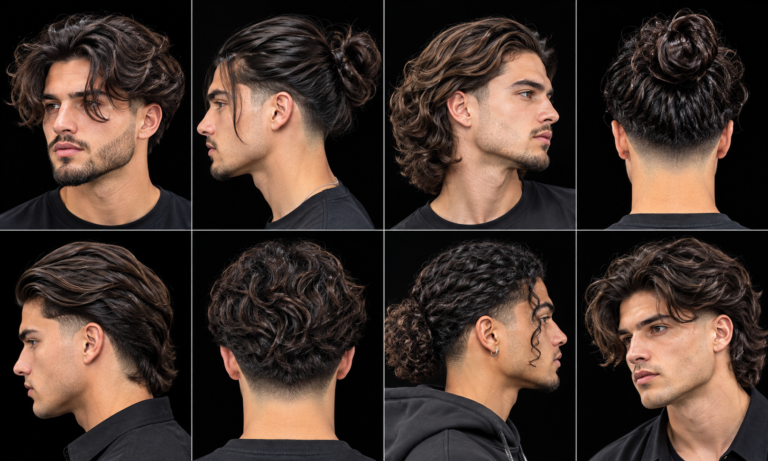
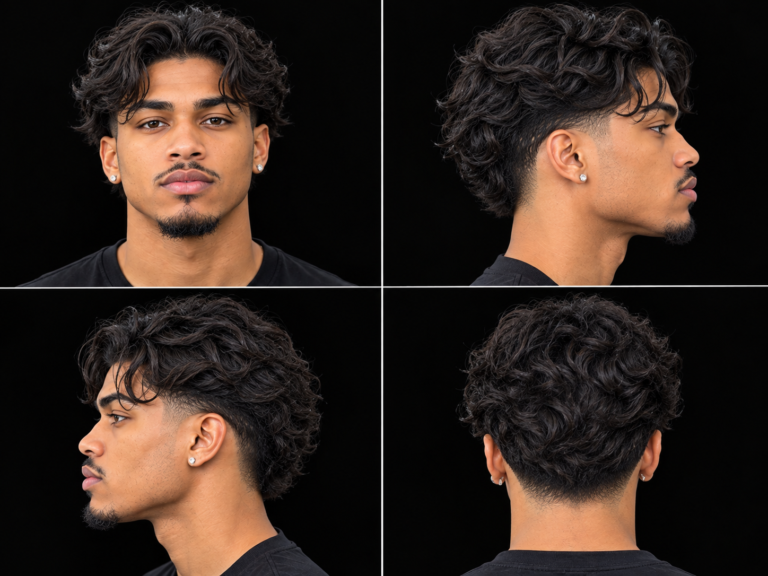
A taper fade for curly hair keeps the sides tight and lets the curls stay full on top. Low and mid are the types of taper fade that suit curls best. Ask for a #2 or #3 on the sides and three to four inches on top, cut with scissors. Use curl cream on damp hair and skip dry brushing. Get a touch-up every three to four weeks.
Taper Fade for Straight Hair
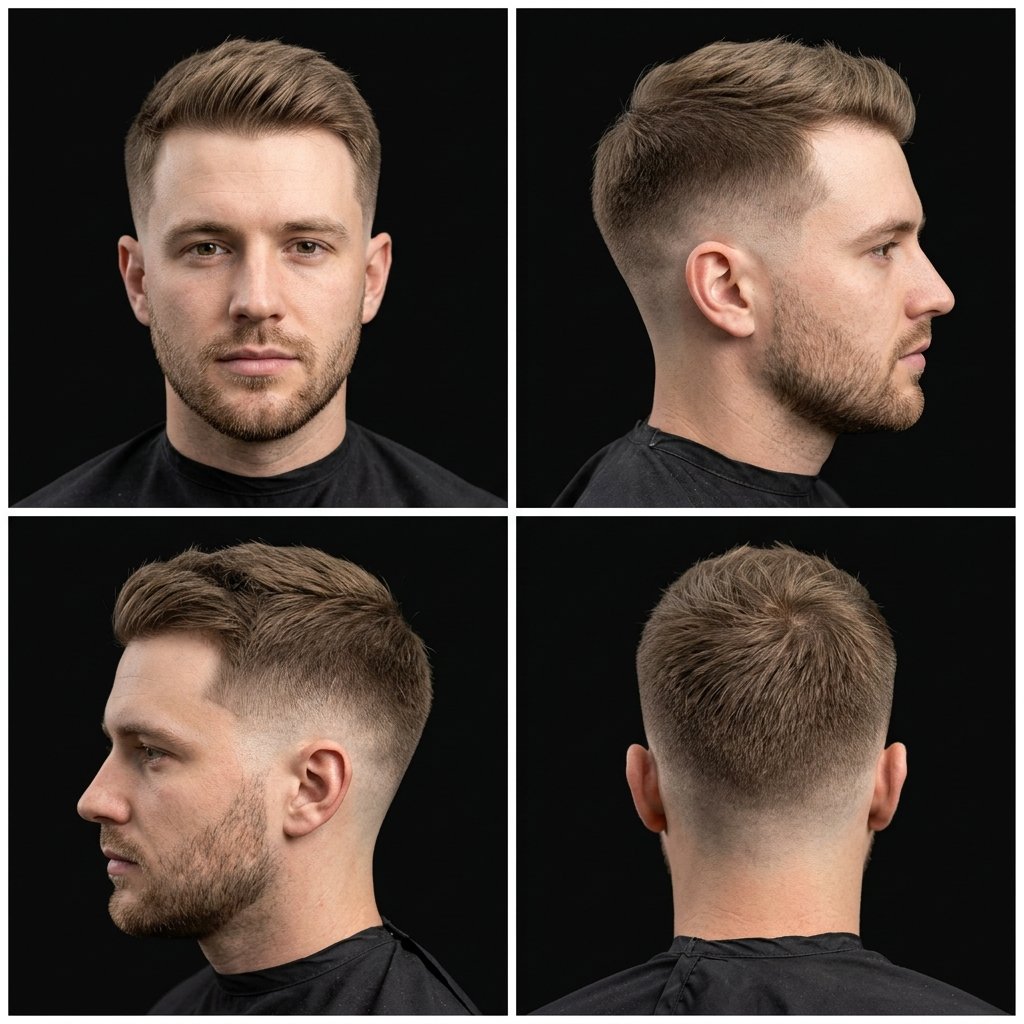
Straight hair shows every clipper line, so the blend matters most here. Pick types of taper fade with a soft finish, like low or shadow. Ask your barber to use scissor-over-comb at the top of the fade. That removes any hard step. Style with matte clay, and expect to return every three weeks.
Taper Fade for Afro Hair
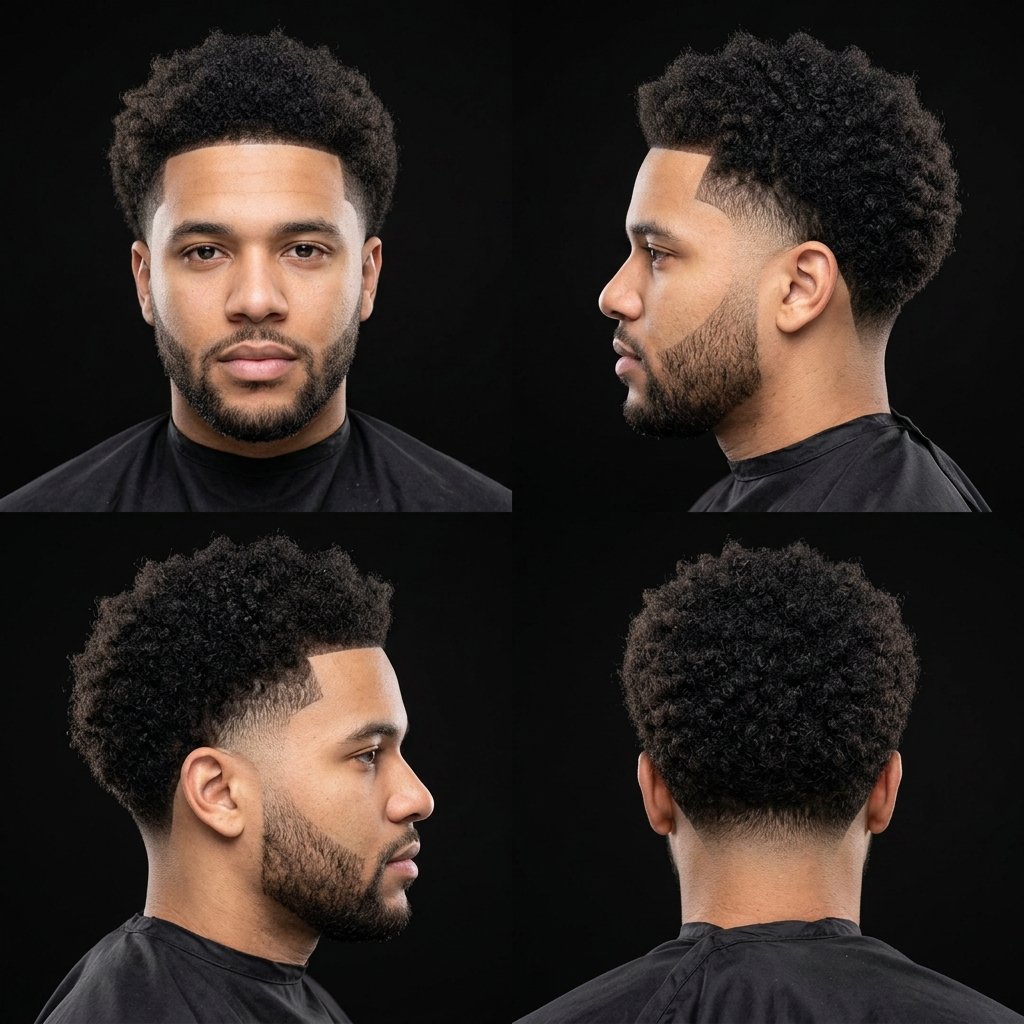
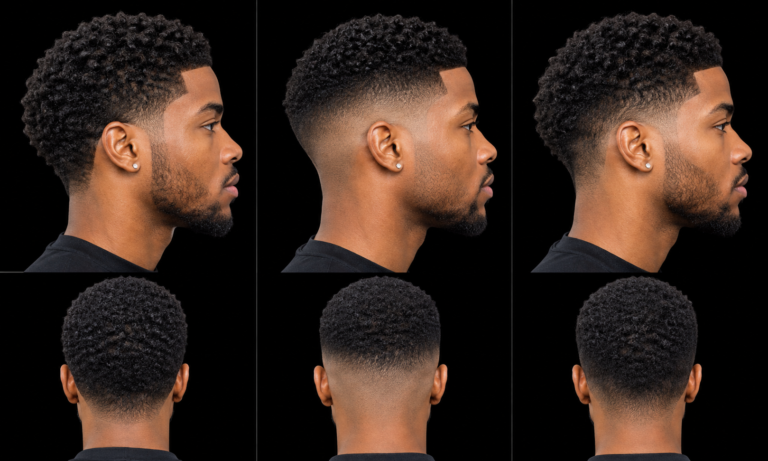
Tight coils hold a sharp line, so a taper fade for afro hair looks crisp and clean. Skin and drop versions of the types of taper fade look especially sharp on this texture. Ask for a line-up with a trimmer around the forehead and temples. Moisturize daily to stop dryness and flaking. Plan an edge-up every one to two weeks.
Taper Fade for Asian Hair
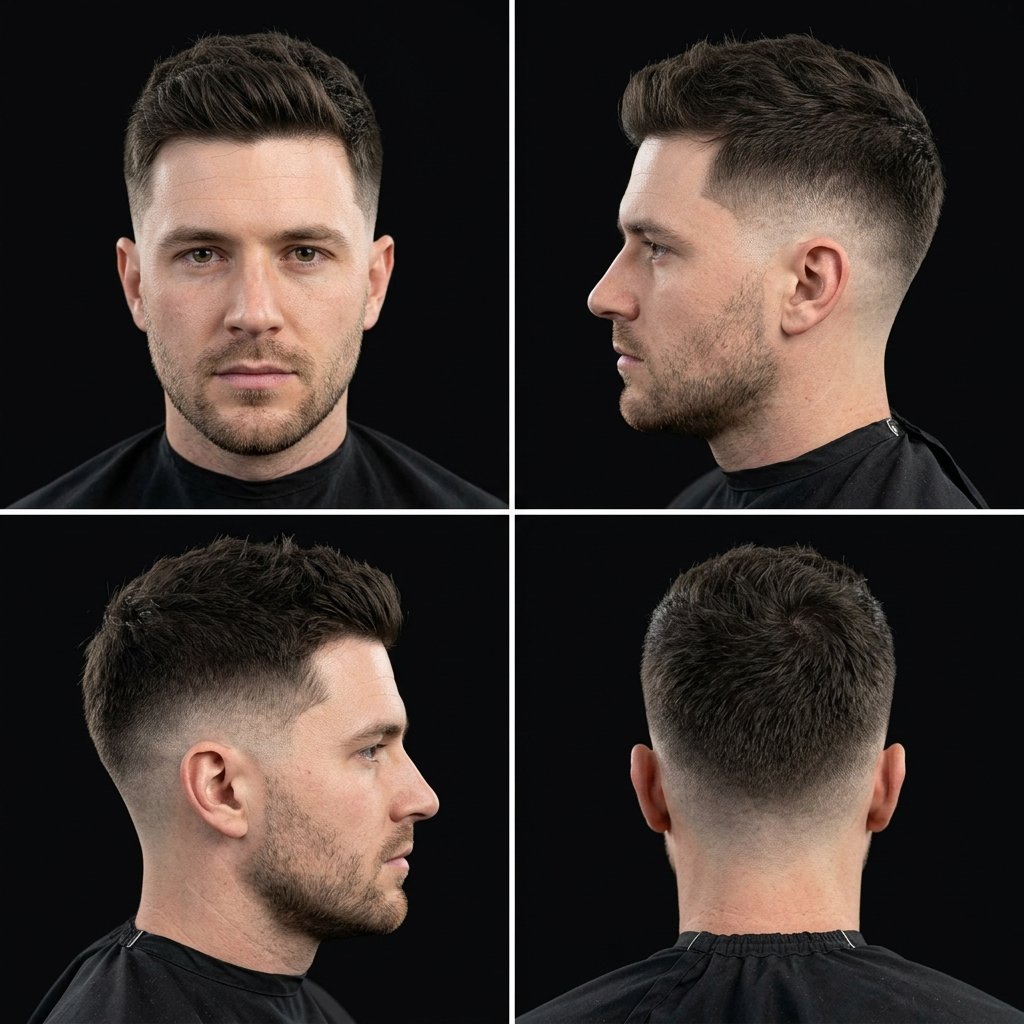
Thick, straight hair grows out stiff, so a taper fade for Asian hair needs smart blending. Mid and low are the types of taper fade I pick most for this texture. Ask for a #1 or #2 at the bottom and thin the top with texturizing shears. That stops the sides from puffing out. Book a trim every three weeks, since thick hair pushes outward fast.
FAQs
What are the different types of taper fades?
The main types of taper fades are low, mid, and high. You can also get skin, burst, drop, shadow, and temple versions. Each one starts the blend at a different height or shape.
What is the difference between a low taper and a mid taper?
A low taper starts just above the ear and stays close to the neckline. A mid taper starts at the temple, so it sits higher and looks sharper.
What is the most popular taper fade?
The mid taper fade is the most requested in most barbershops. It suits almost every face shape and works with short, medium, and long hair on top.
What taper fade looks best on a round face?
A high or mid taper fade looks best on a round face. The short sides add height and make the face look longer and slimmer.
What is a burst taper fade?
A burst taper fade curves around the ear in a half circle and leaves length at the back. It looks great with mohawks, faux hawks, and curly hair on top.
Final Thought
Now you know the types of taper fade, so you can walk into any shop with a plan. Save this list on your phone. Show your barber the photo, the guard numbers, and the exact words to use.
Not sure which fits you? Book a quick consult and bring this guide. A good barber will check your head shape and hair growth, then pick from these types of taper fade with you.