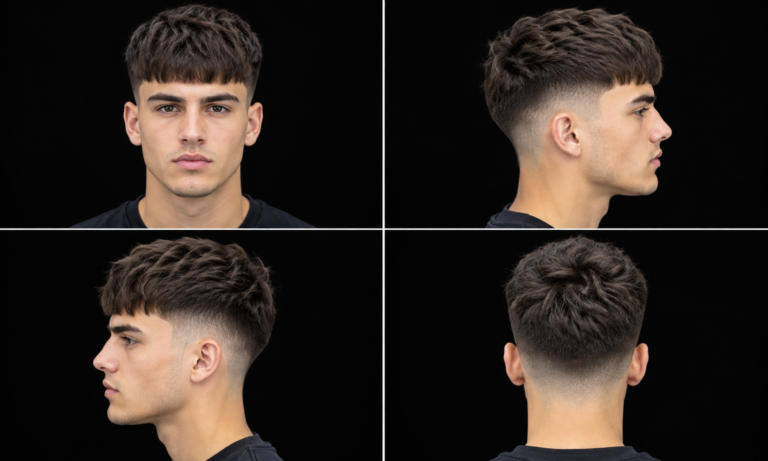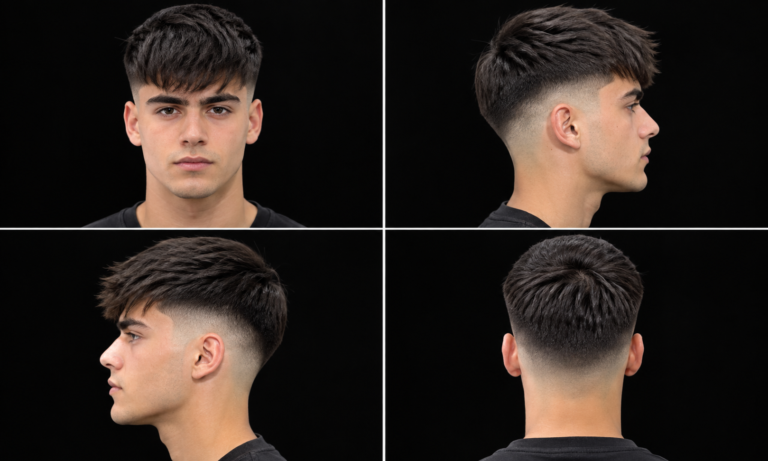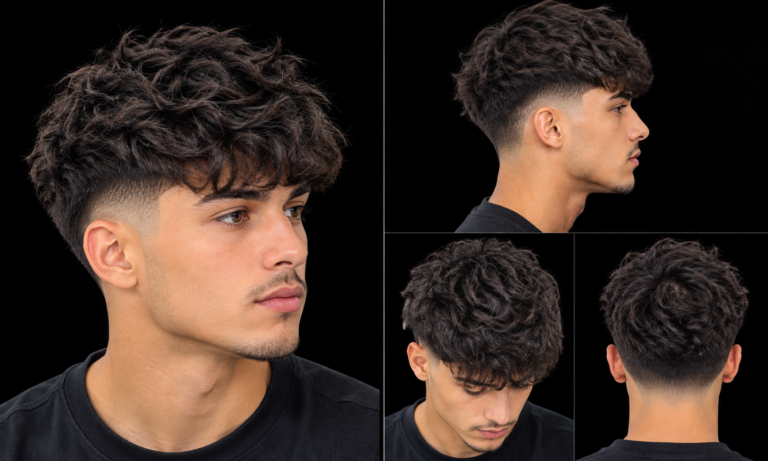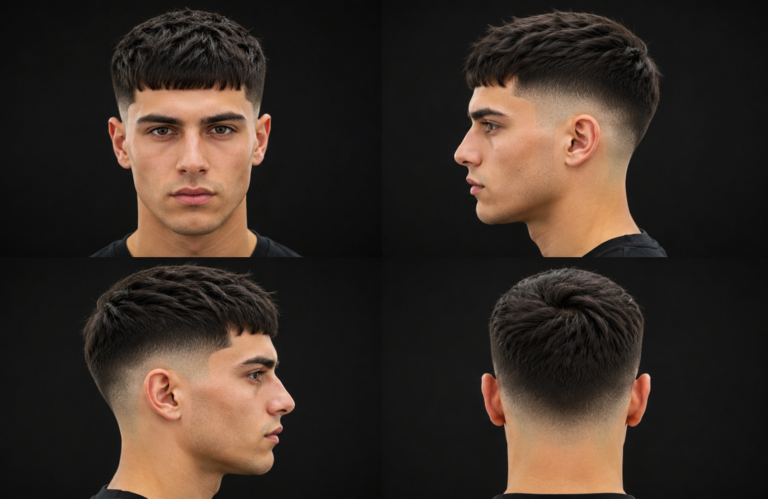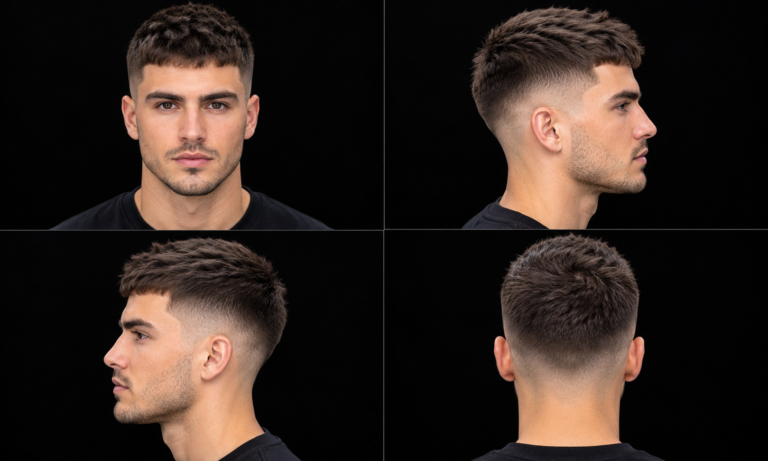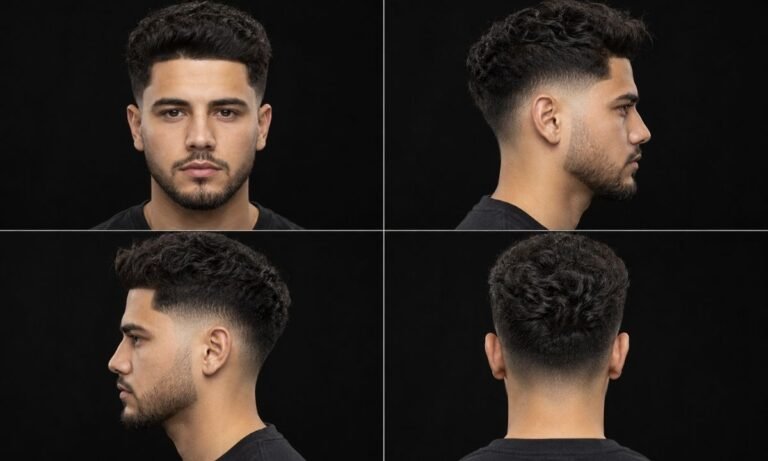
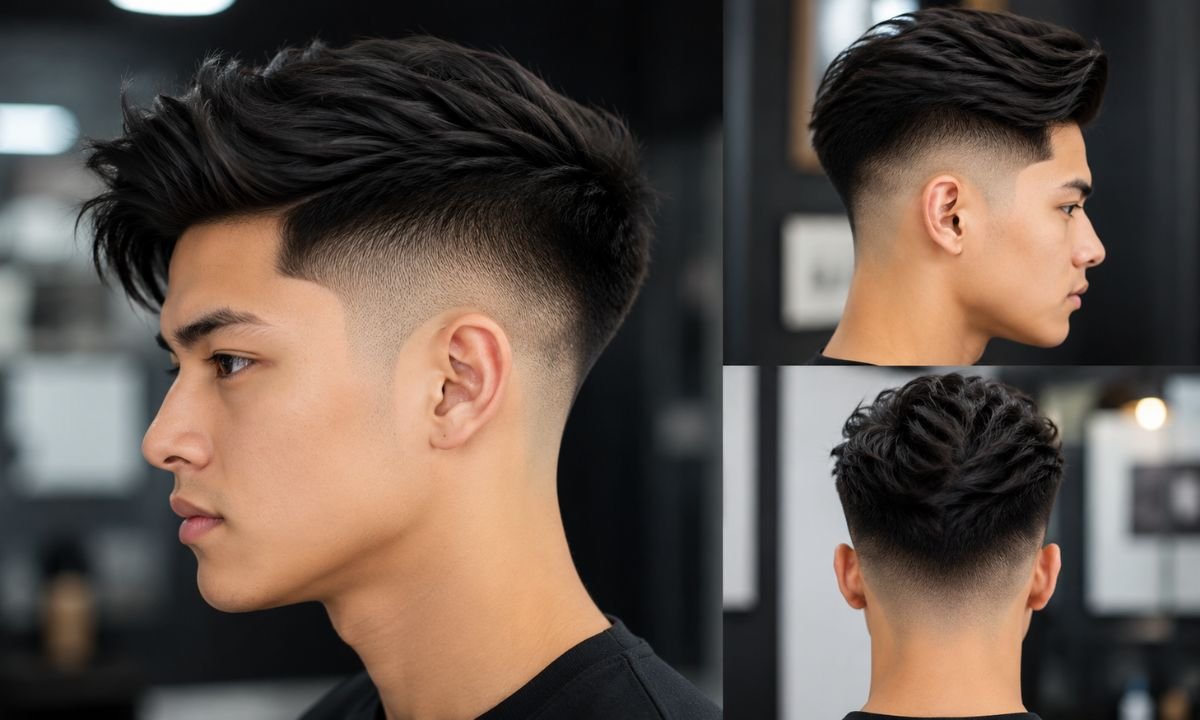
Faded Undercut Haircut: 25 Stylish Ideas for Men in 2026
A faded undercut is short sides, a tapered fade, and longer hair left on top. It’s one of the most requested cuts in barbershops right now, and for good reason. It works on almost every hair type, it grows out clean, and it fits both a suit and a hoodie. In this guide, you’ll get 25 real style ideas, the exact guard numbers barbers use, and what to say in the chair so you get it right the first time.
Popular Men’s Undercut Fade Haircuts
Every faded undercut starts the same way. The sides get buzzed down low, and the fade blends up into longer hair on top. From there, barbers can style it a dozen different ways. Here are 25 versions worth showing your barber on your phone.
Rebellious Burst Fade Undercut
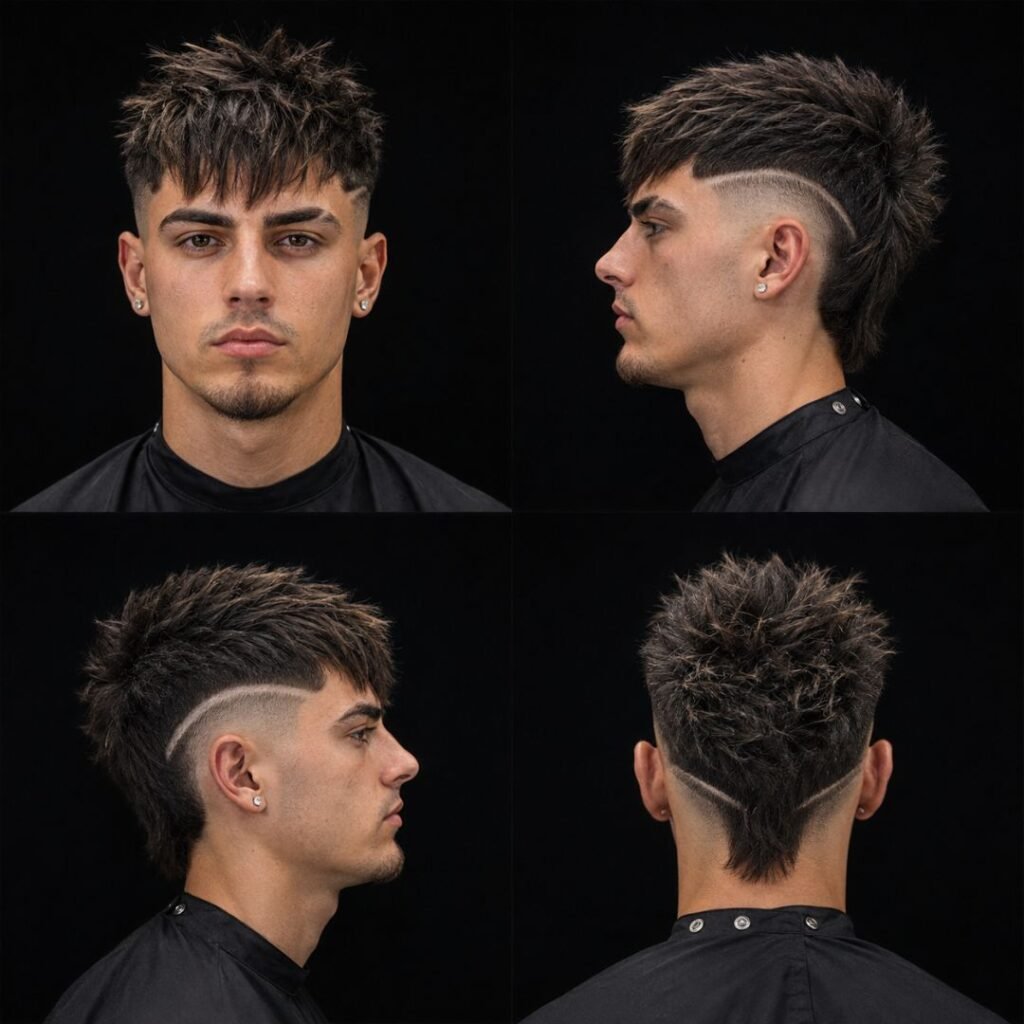
A burst fade curves around the ear instead of running in a straight line. This makes it a strong pick for guys who want a fade with some movement instead of a flat, boxy look. Ask for a #1 guard around the ear, blending into a #3 higher up. It holds its shape for about three weeks before you’ll want a touch-up.
Also Read This Style: French Crop Haircut: Styles, Types, How to Get It & Maintenance
Clean Undercut Low Fade Haircut
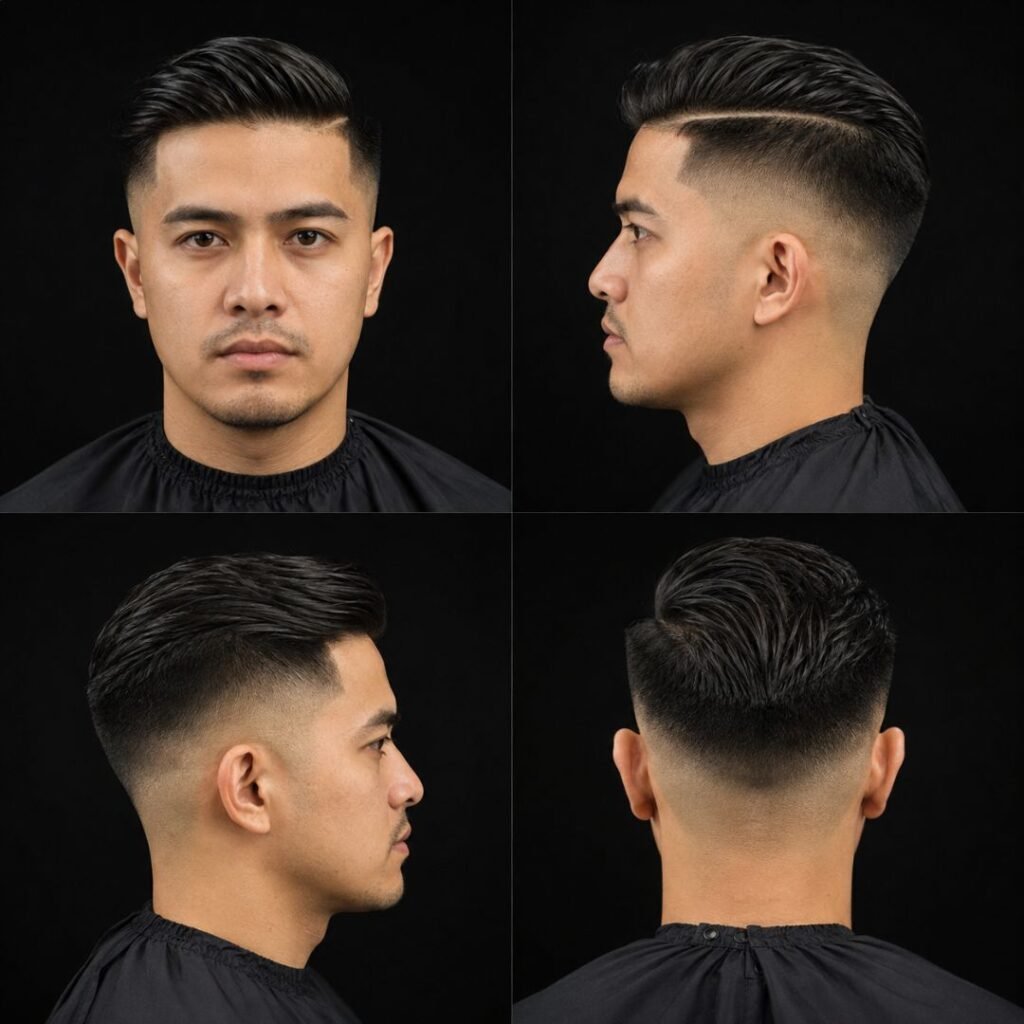
This one keeps things simple and sharp, with the fade sitting low near the ear instead of climbing up the head. It’s a safe choice for office jobs or first-time undercut wearers who don’t want too much contrast. Guards run from a #2 at the bottom to a #4 near the part line. Comb the top forward daily and it needs almost no product to look neat.
Short Textured Undercut with Mid Fade
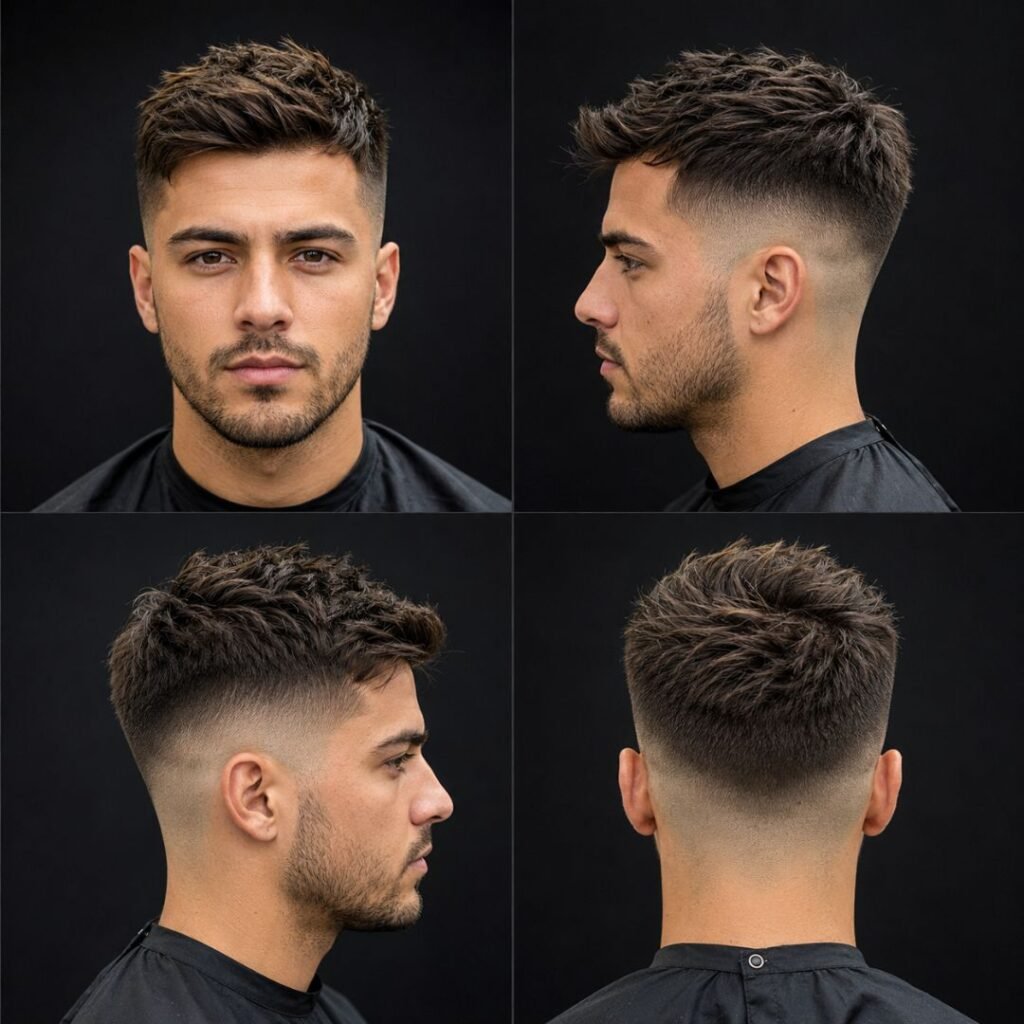
Texture on top means choppy, uneven layers instead of one smooth shape, and it pairs well with thick or wavy hair. Guys with round or square faces tend to like how it adds height without bulk. Sides go down to a #2, and the top gets cut to about 2 inches with texturizing shears. A matte paste, worked in with fingers, keeps it looking messy on purpose.
Hipster Faux Hawk with Undercut Fade and Beard
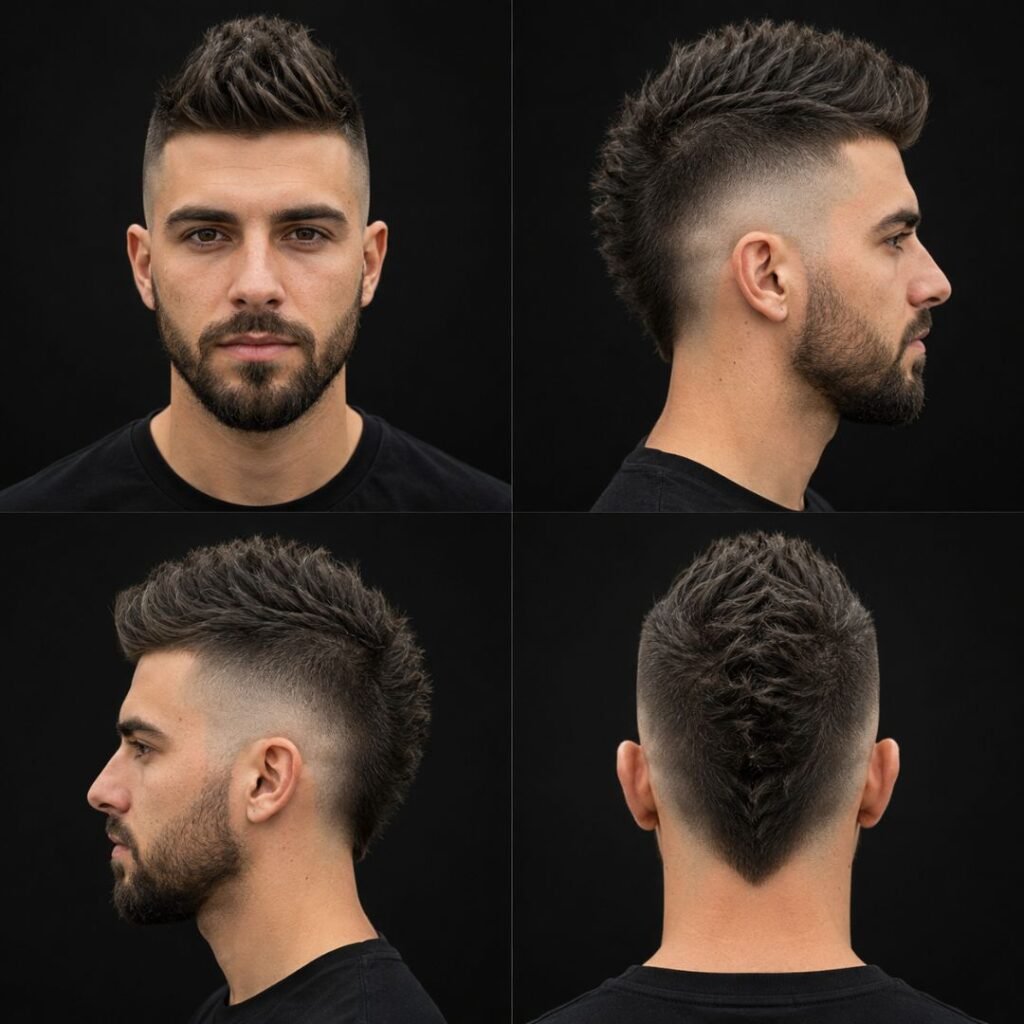
This style pushes the top hair up the middle for a soft, subtle hawk shape, and it looks best paired with a full beard. It suits guys with narrower faces since the height balances things out. Sides are shaved close, usually a #1, while the center strip is left 3 to 4 inches long. You’ll need a strong-hold pomade to keep the middle section standing up all day.
Classic Undercut
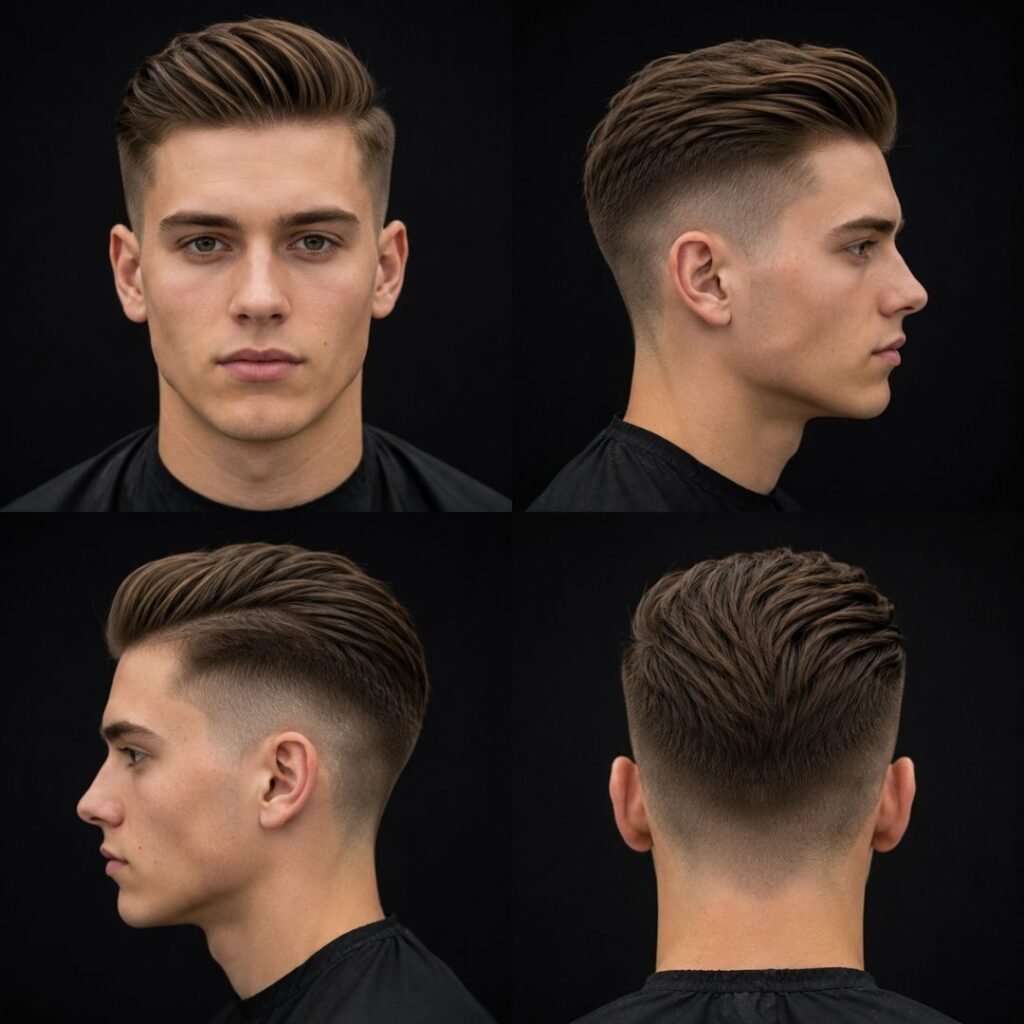
The classic version is the original template every other style on this list builds from. It’s a hard part between short buzzed sides and a longer top, with no blending at all. This works well for oval and heart-shaped faces because it frames the face evenly. Barbers usually clipper the sides at a #2 and leave 3-plus inches on top, slicked back or to the side.
Textured Pompadour with Undercut Drop Fade
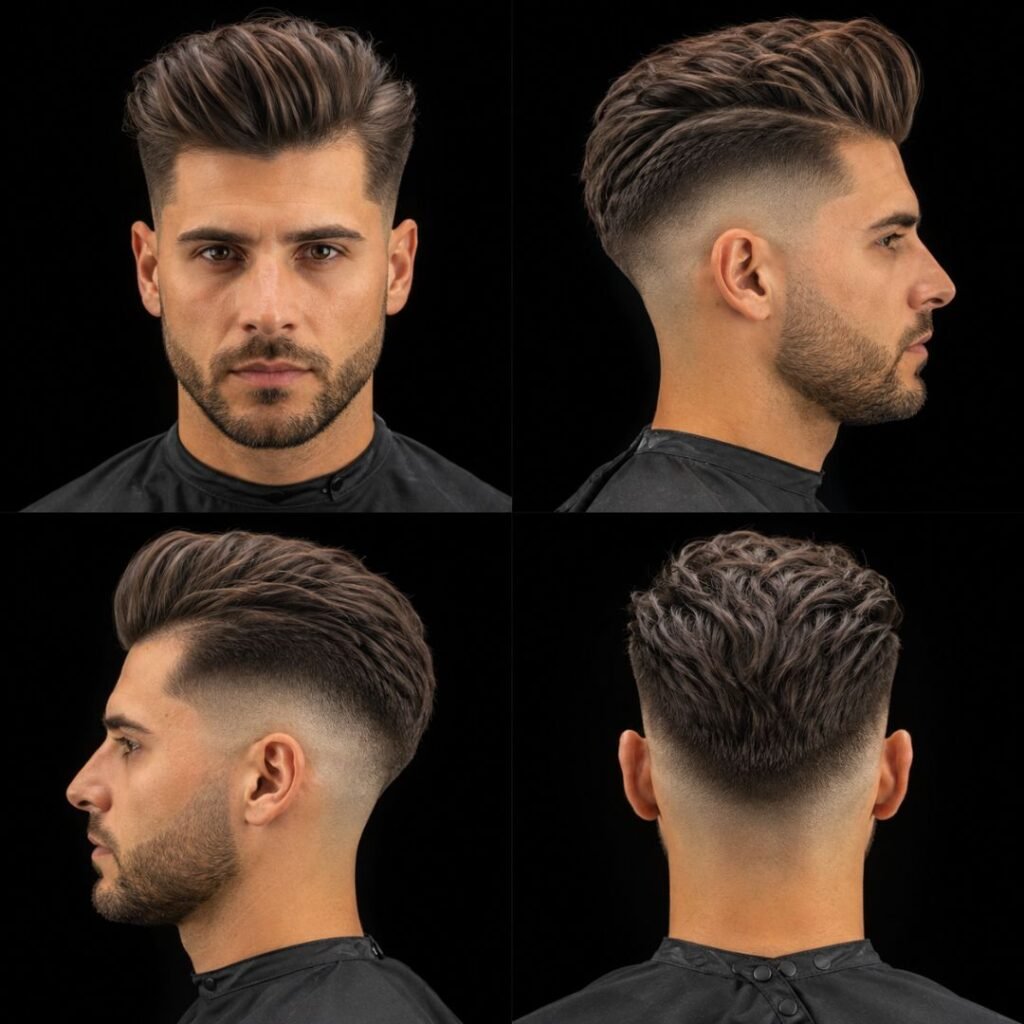
A drop fade dips lower behind the ear instead of staying level, which gives the pompadour more room to breathe on top. It flatters guys with longer face shapes since the fade drops the visual weight downward. The top is left long, often 4 inches, then rolled up and back with a comb. Use a blow dryer on low heat first, then set with a strong pomade.
Balanced Mid Fade Undercut
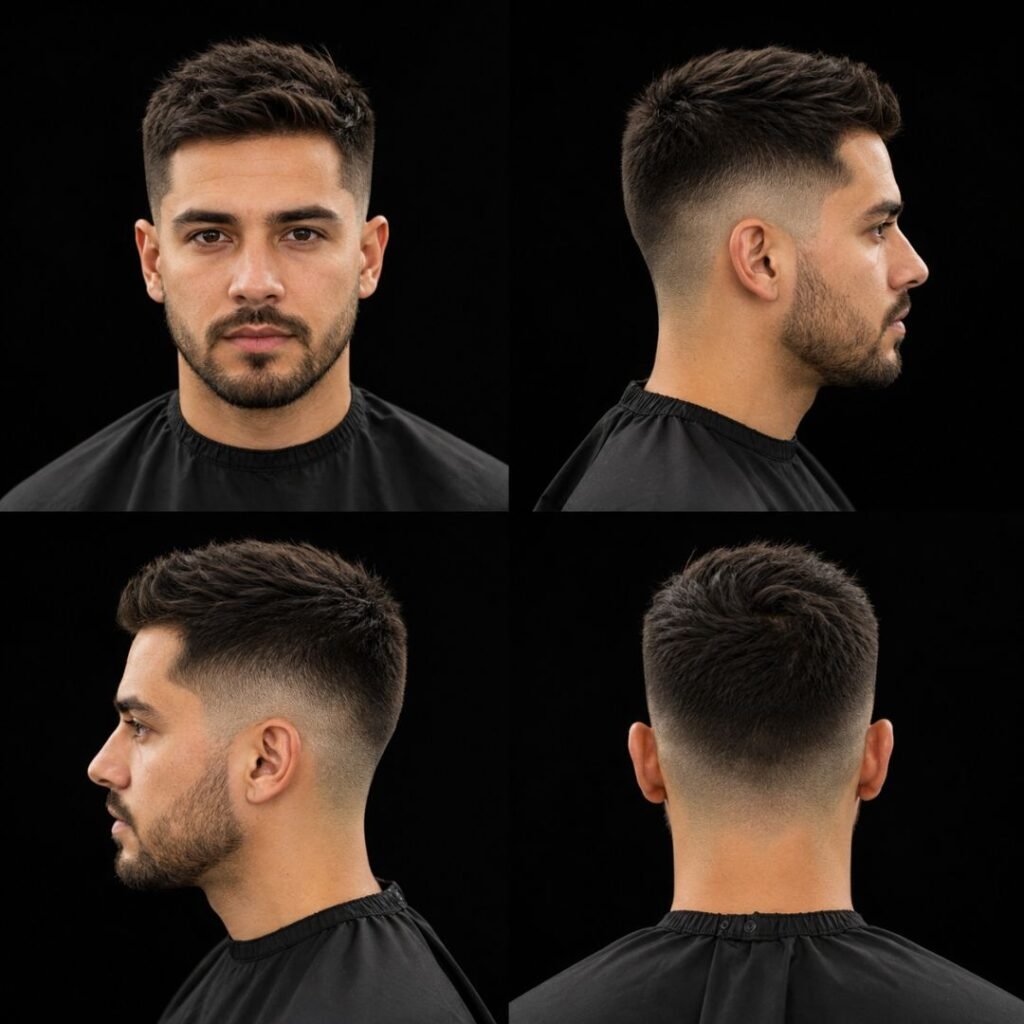
A mid fade sits right in the middle of the head, so it’s not too aggressive and not too plain. It’s the most requested version among first-timers because it’s easy for any barber to execute well. Expect a #3 guard blending up around ear height into the longer top. It only needs a fade refresh every 3 to 4 weeks to stay sharp.
Daring Mohawk Undercut Fade
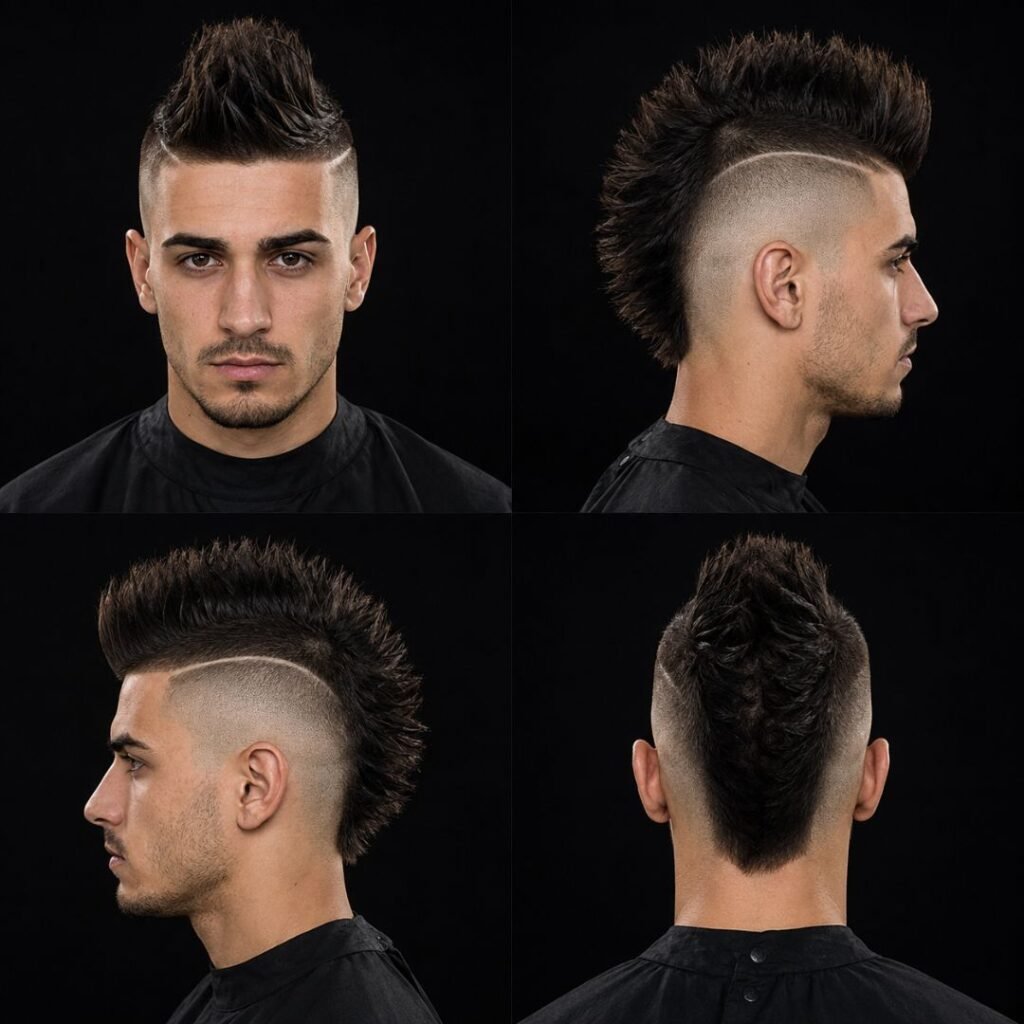
This is the boldest style on the list, with a shaved undercut on both sides and a strip of longer hair running down the middle. It suits guys who want serious statement hair and don’t mind extra styling time. Sides get taken down to skin with a #0, while the center strip stays 3 to 5 inches. A strong gel or wax is non-negotiable here to keep the strip upright.
Low Fade Undercut with Side Part
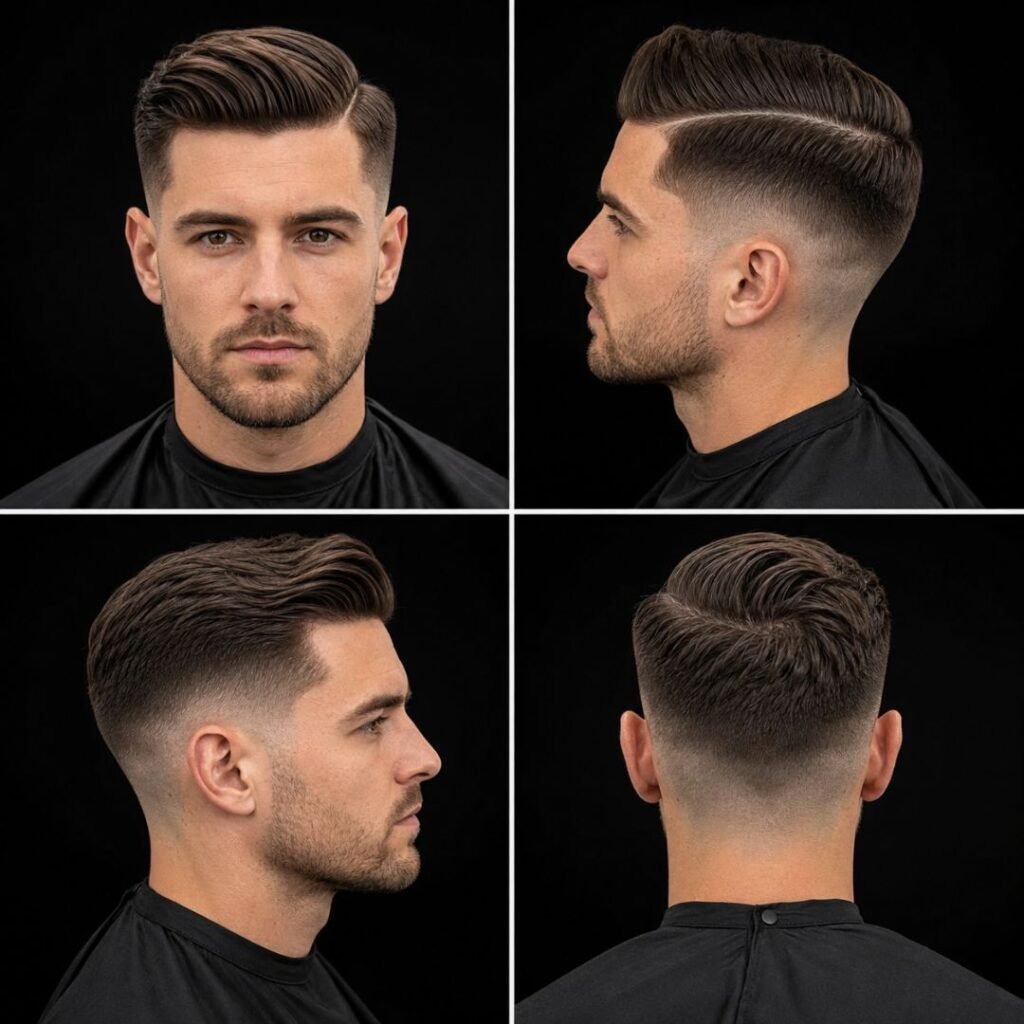
A defined side part adds a clean, put-together line to a fade that already looks sharp on its own. It works especially well on straight or slightly wavy hair that holds a part easily. The fade stays low, around a #2 to #3, while the top is cut to 2 to 3 inches with a comb-created part. Reset the part each morning with a fine-tooth comb and light pomade.
Stylish Curly Hair with Faded Undercut
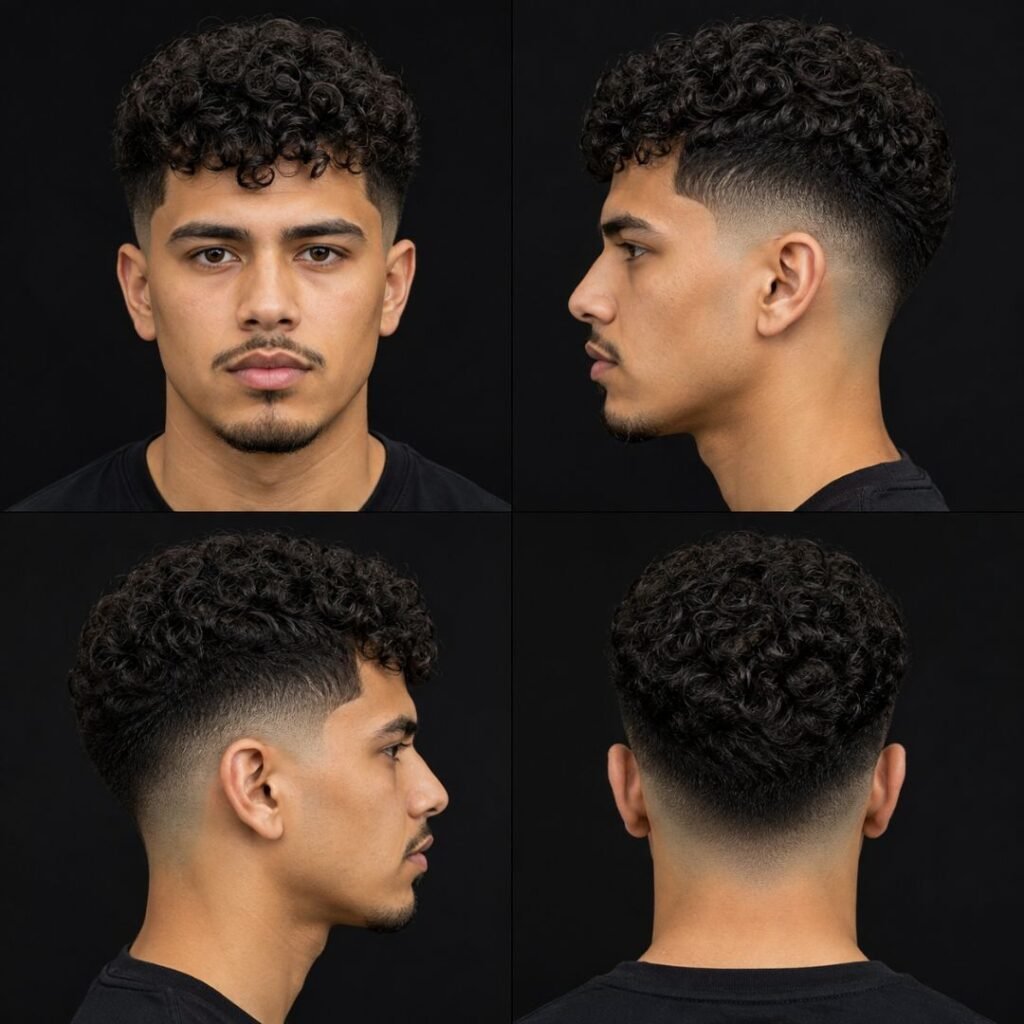
Curly hair holds shape differently than straight hair, so the fade needs to be cut a little higher to avoid a helmet-like look. This version suits guys with tighter curl patterns who still want short, low-maintenance sides. Barbers usually go with a #2 fade and let the curls sit natural on top at 2 to 3 inches. A curl cream instead of a heavy pomade keeps the texture from getting weighed down.
Timeless Tapered Undercut
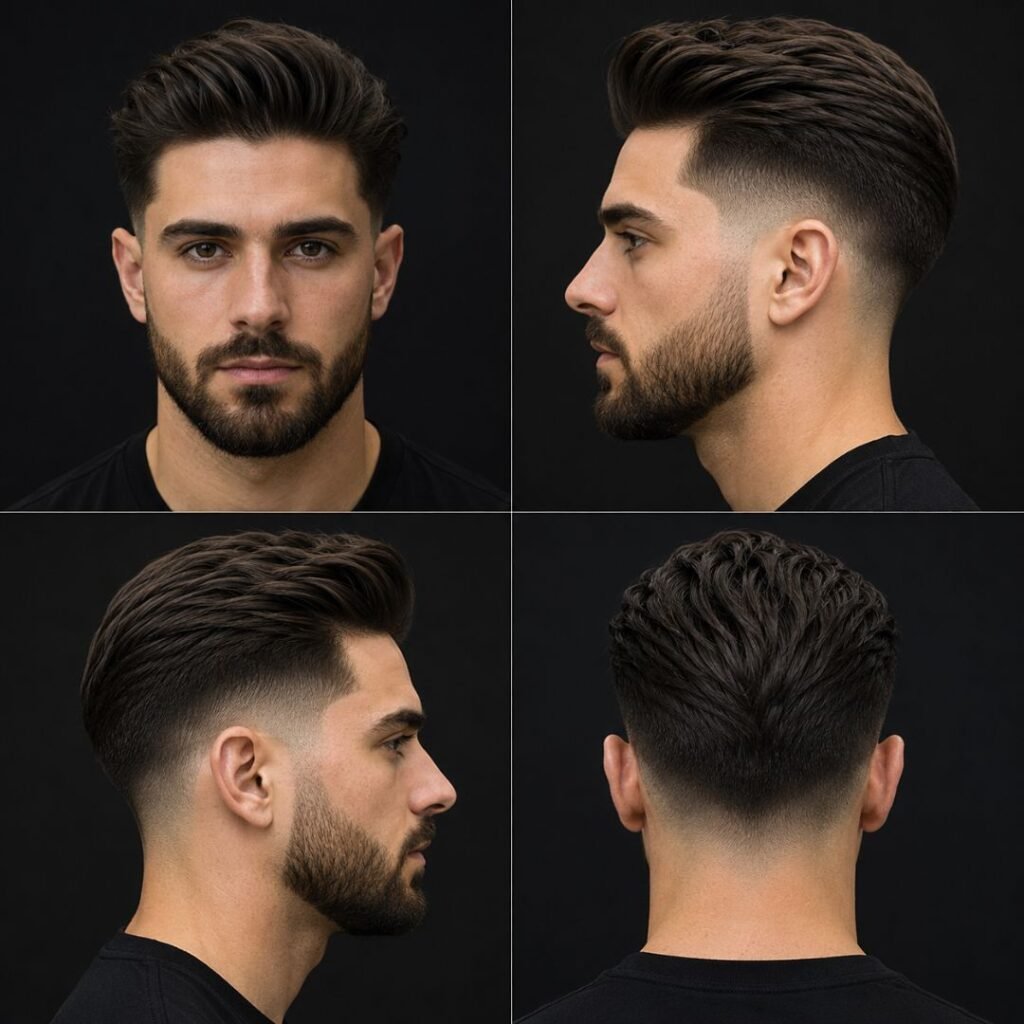
A taper fade is more gradual than a skin fade, so it reads as slightly more conservative and works in most workplaces. This one suits guys who want the undercut look without going ultra short anywhere. Guards taper from a #3 near the top down to a #1 at the neckline. It grows out gracefully, so you can stretch appointments to five or six weeks.
Slick Back Undercut with Taper Fade
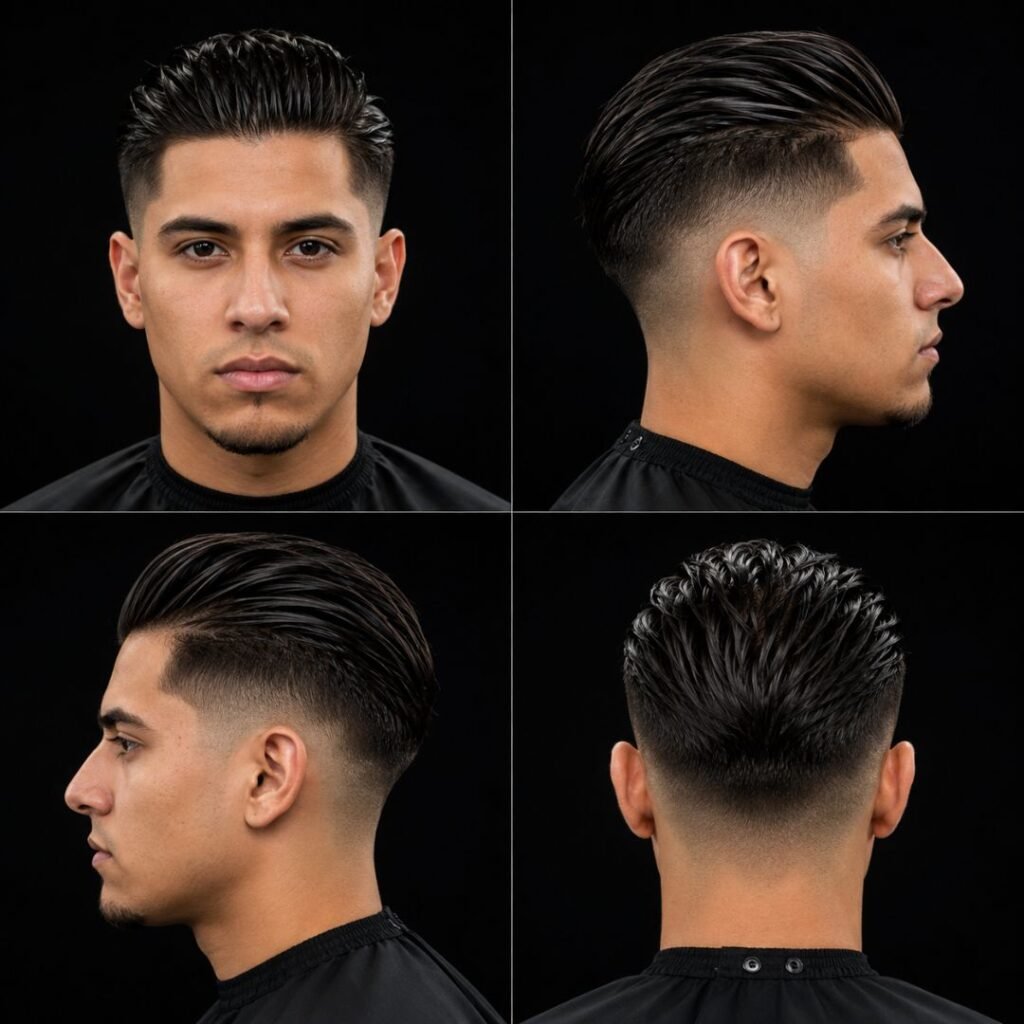
Slicking the hair straight back gives this cut a polished, almost vintage look that pairs well with a taper fade underneath. It suits guys with straight, fine-to-medium hair that slicks back easily without flyaways. Top length usually runs 3 to 4 inches, cut blunt so it lies flat. A water-based pomade with high shine finishes the look properly.
Edgy High Fade Undercut
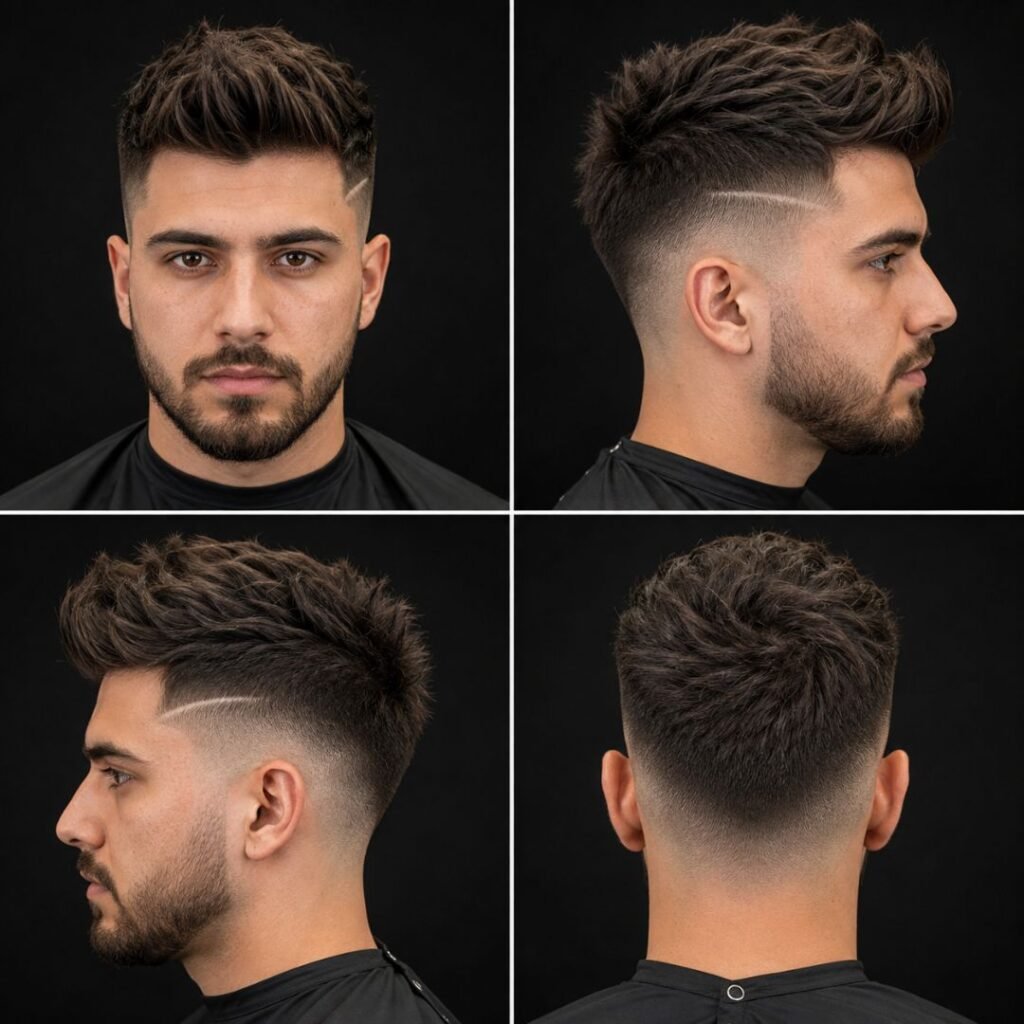
A high fade starts much closer to the top of the head, creating the most contrast of any fade type on this list. It suits guys with thicker hair who want the top to really stand out against the sides. The fade usually starts around a #1 and blends into a #4 just below the crown. Because the fade sits so high, it needs a touch-up every 2 to 3 weeks to stay crisp.
Trendy Man Bun with Low Temp Fade Undercut
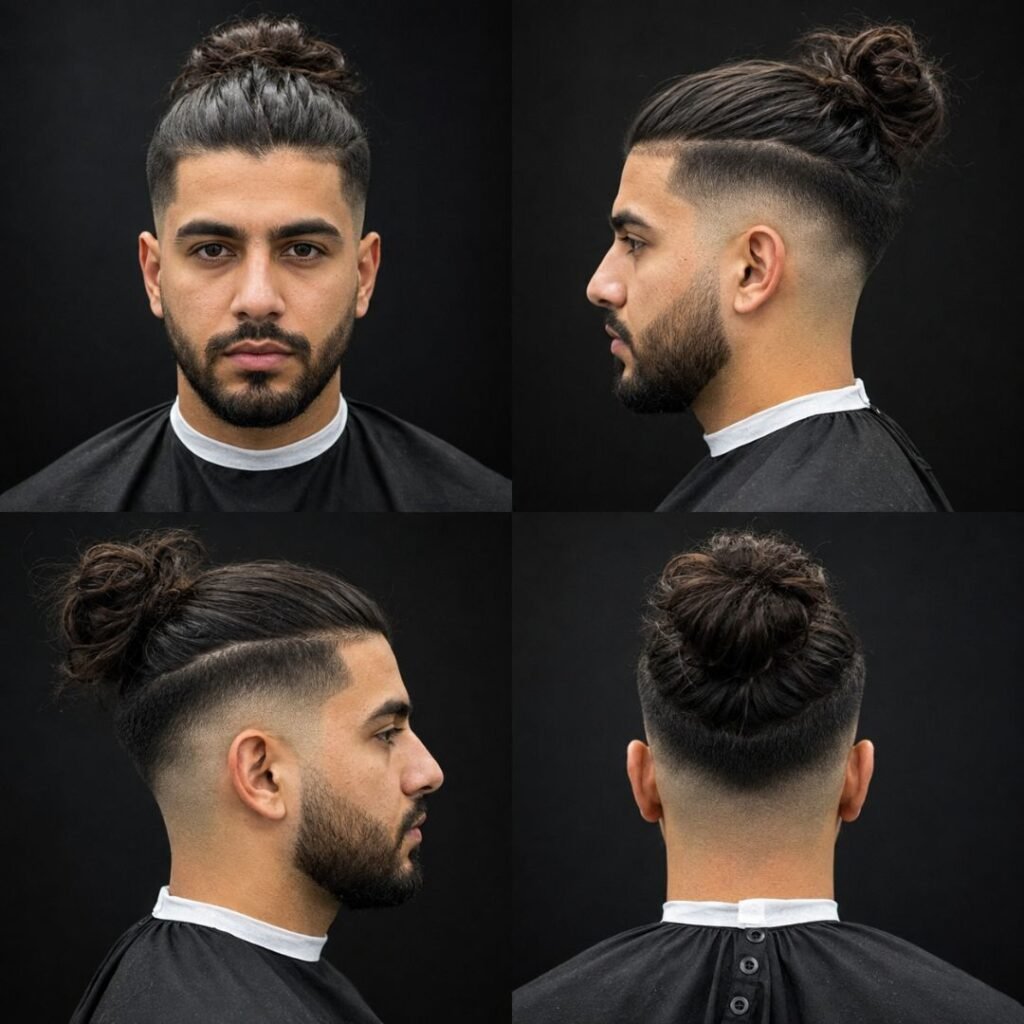
This one keeps the sides tight with a low temple fade while the top grows long enough to tie back into a small bun. It works best for guys already growing their hair out who want a cleaner look on the sides while they wait. The fade stays around a #2 near the temple, and top length needs to reach at least 4 to 5 inches to tie up. Use a small elastic and a bit of texture spray so the bun doesn’t slip loose.
Casual Messy Brush Back with Disconnected Undercut Fade
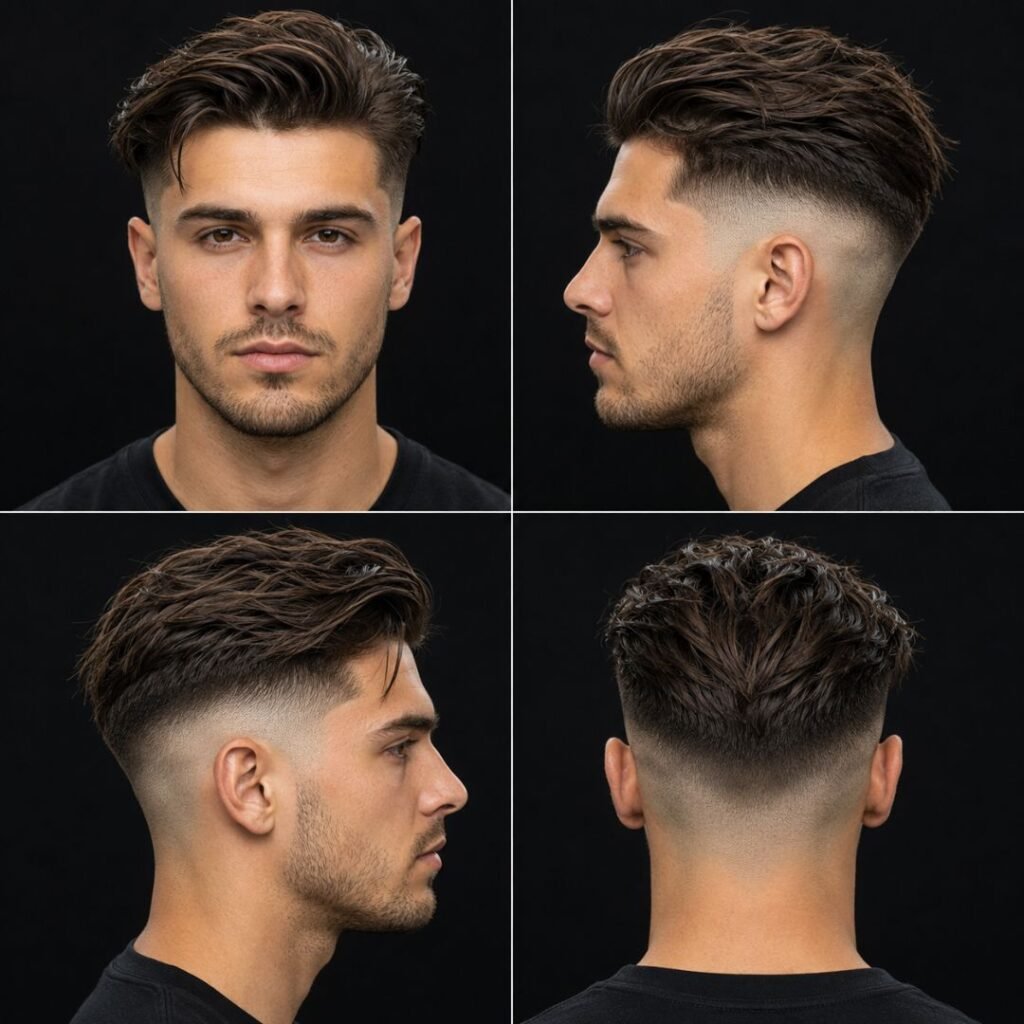
Disconnected means there’s a hard, visible line between the shaved sides and the top, with zero blending in between. It’s a favorite for guys with thick, coarse hair since the top hides the harsh line easily. The sides are usually shaved to skin, while the top stays 3-plus inches and gets brushed back with fingers, not a comb. A light matte clay keeps it looking effortless instead of overworked.
Disconnected Undercut
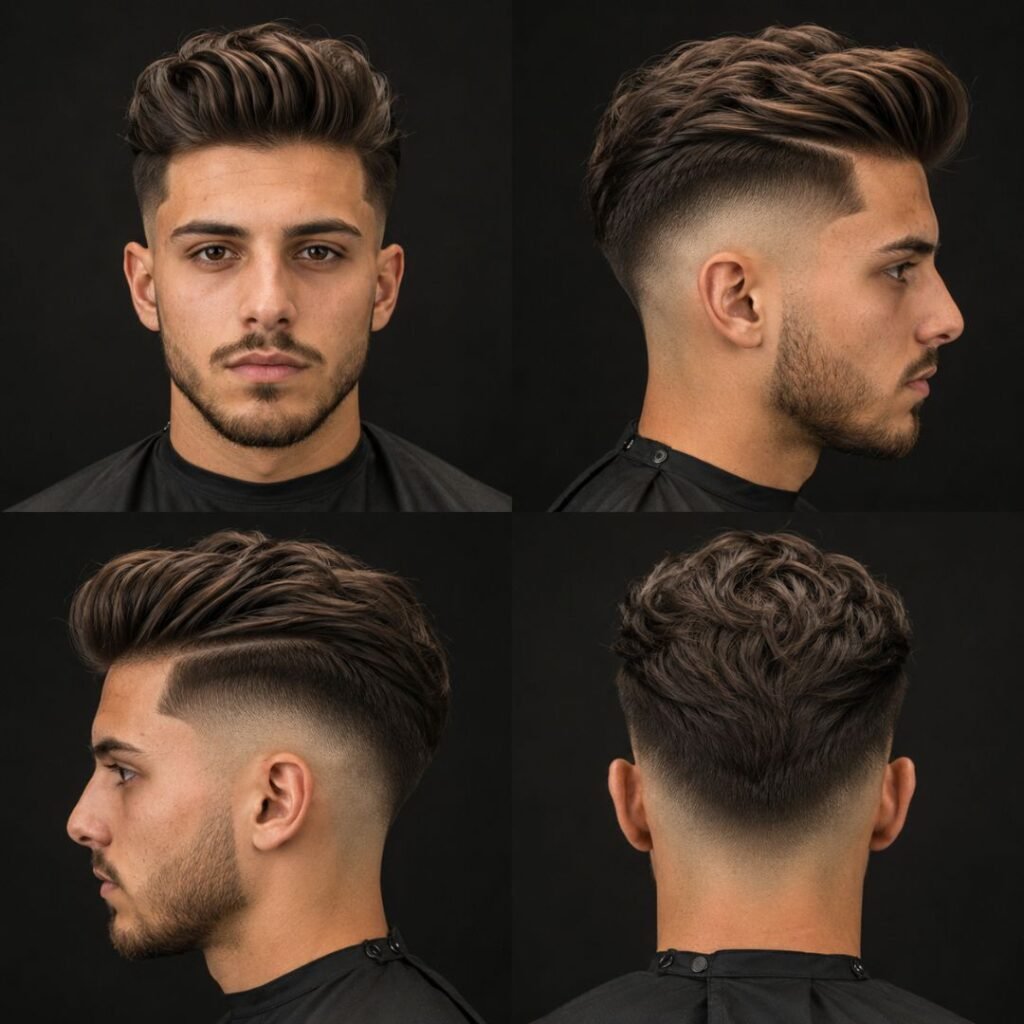
This is the standalone version of the disconnected look, with no fade blending the sides into the top at all. It suits guys who like sharp contrast and don’t mind a slightly retro, punk-inspired edge. Clippers go straight to skin on the sides with a #0 or #1, and the top is left long and full. Because there’s no fade to grow out awkwardly, this style is genuinely low-maintenance between cuts.
Fresh Mid Undercut Fade with Cool Design
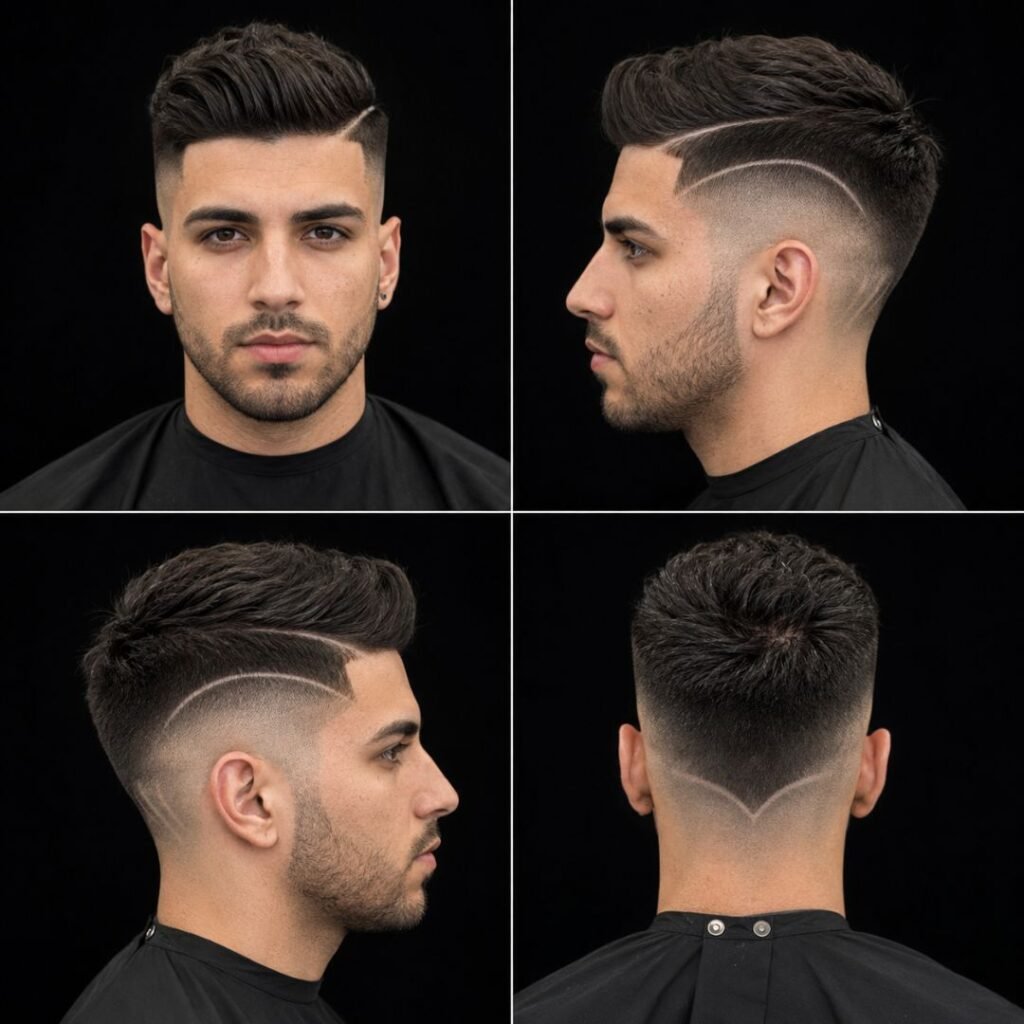
Adding a shaved line or small pattern into the fade turns a standard cut into something more personal and eye-catching. This works great for younger guys or anyone who wants their haircut to stand out at school or on social media. The base fade sits at a #2 to #3, with a fine trimmer used freehand for the design itself. Designs need a fresh line-up every 1 to 2 weeks or they start looking grown out and messy.
Long Hair with Low Taper Fade Undercut
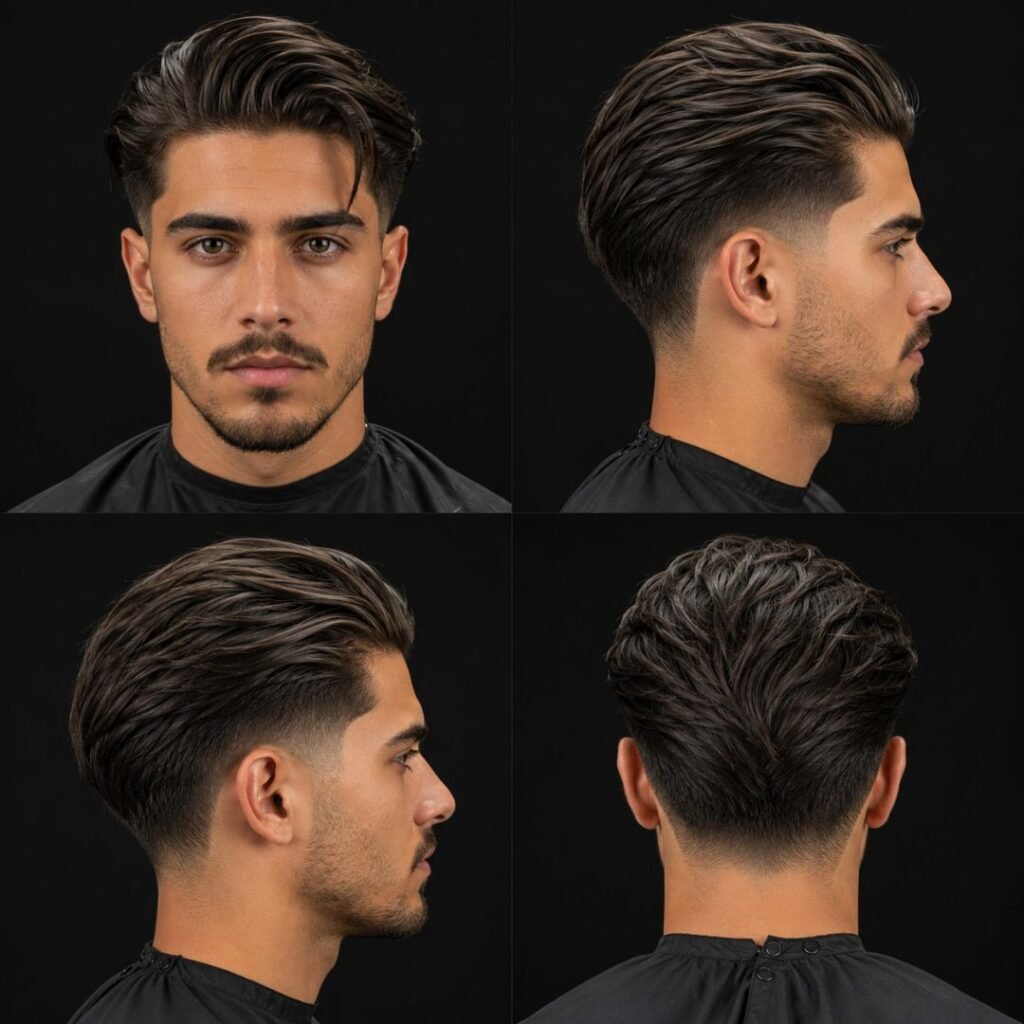
Pairing long top hair with a low taper keeps things clean at the bottom while letting the top do all the styling work. It suits guys with a lot of patience and hair that’s already past the awkward growing-out stage. The taper stays low and subtle, around a #3, while top length can run anywhere from 5 to 8 inches. A leave-in conditioner matters more here than any styling product, since length this long needs the moisture.
Classy Taper Fade Undercut
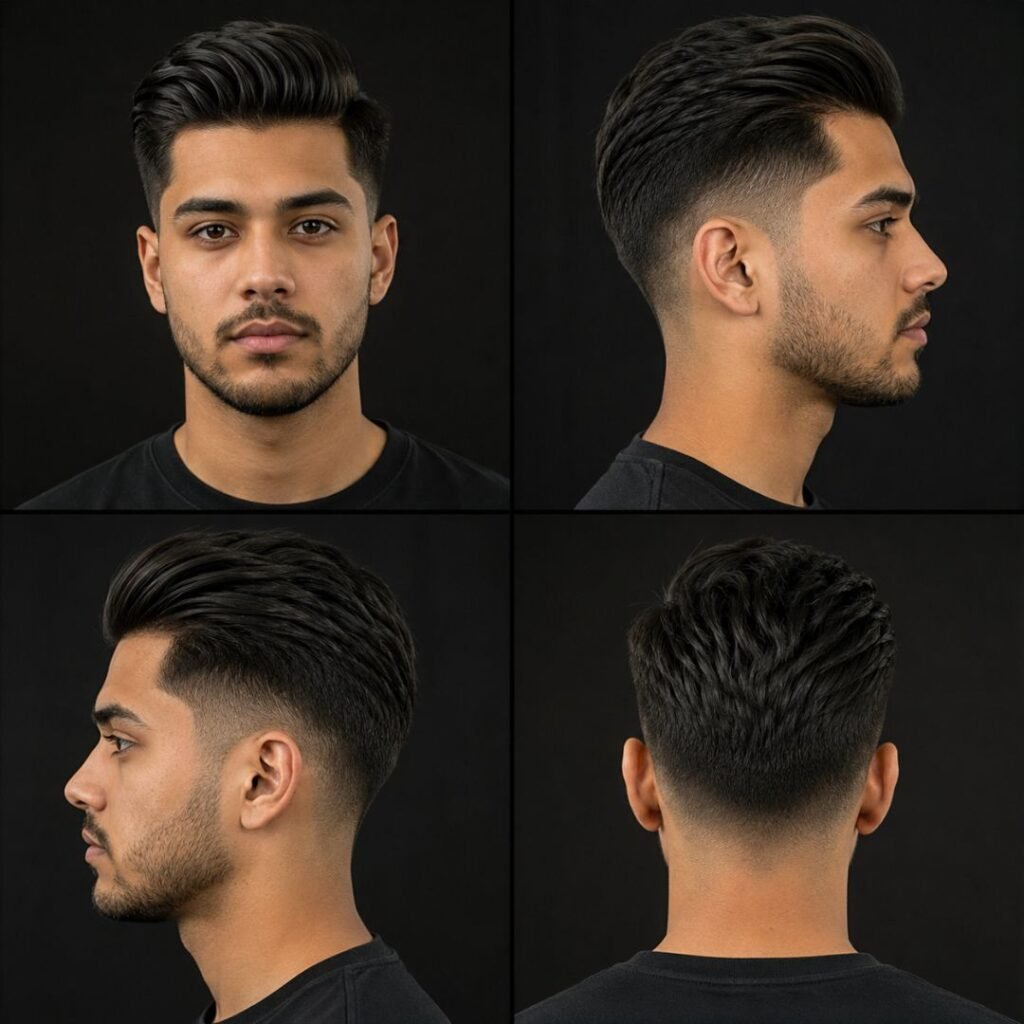
This version leans more formal than most on this list, which makes it a solid pick for interviews, weddings, or client-facing jobs. It flatters almost every face shape because the taper is subtle rather than dramatic. Expect a #3 to #4 blend with the top kept to 2 to 3 inches, combed to one side. It holds a professional look for a full 4 to 5 weeks between cuts.
Modern Skin Fade Undercut
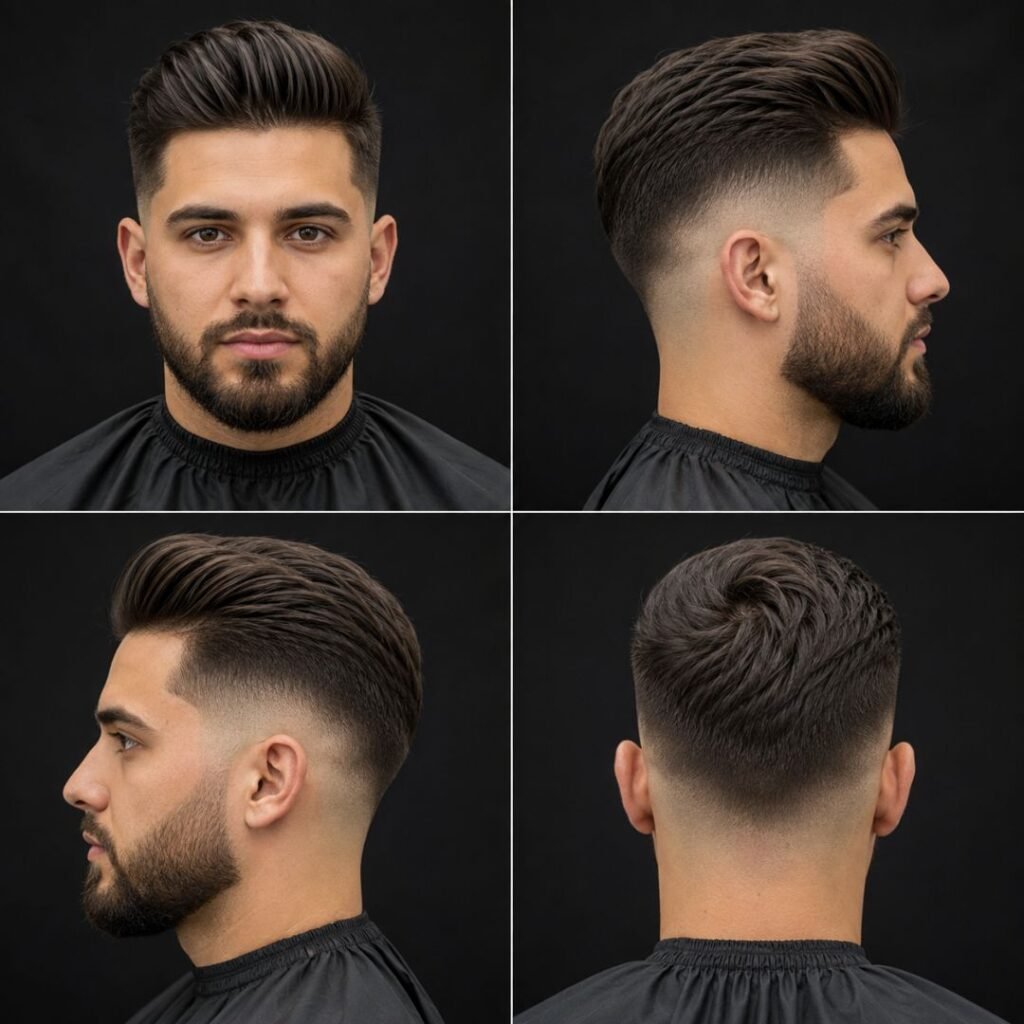
A skin fade takes the sides all the way down to bare skin before blending up, giving the sharpest possible contrast against the top. It suits guys who want maximum definition and don’t mind more frequent barbershop visits. The fade starts at skin with a #0 and climbs to a #3 or #4 near the top. Skin fades grow out fastest of all the fade types, so plan on a trim every 2 weeks.
Undercut Hairstyles For Men With Long Hair
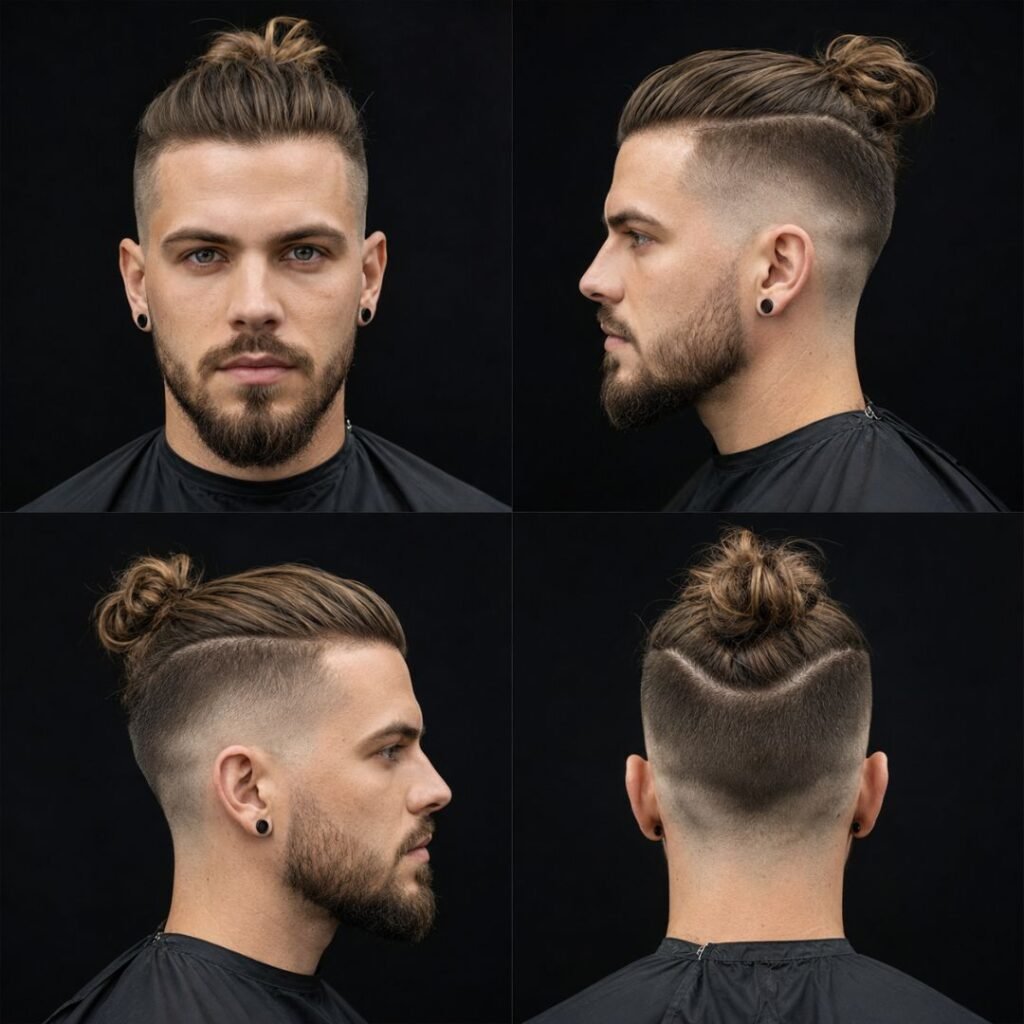
Long hair on top doesn’t rule out an undercut — it actually makes the shaved sides stand out more by comparison. This suits guys growing their hair out for a bun, braids, or just a longer, shaggier look. Sides typically get a #1 or #2, while top length stays 6 inches or more, styled loose or tied back. Regular deep conditioning keeps the longer hair from looking dry or frizzy next to the clean sides.
Comb Over Undercut Fade
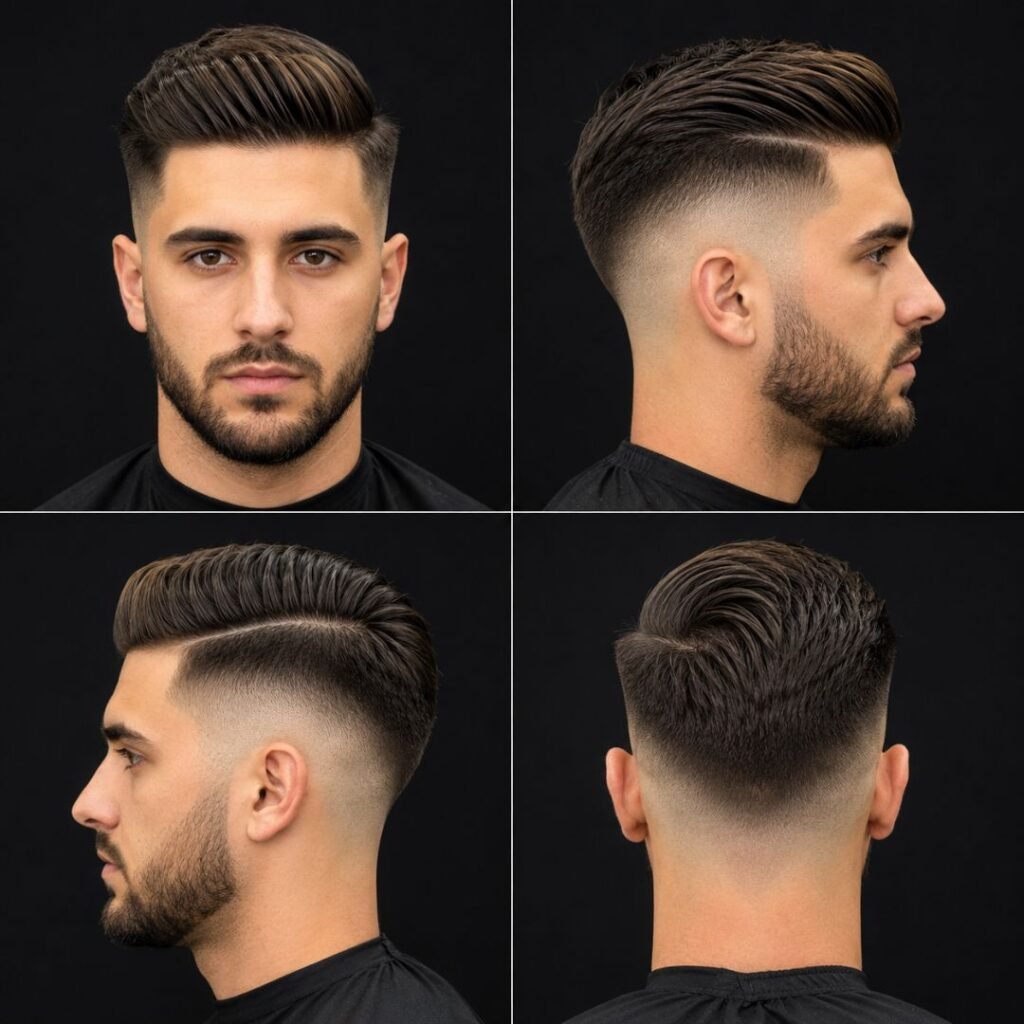
A comb over undercut takes the classic office-friendly comb over and pairs it with a tighter fade underneath for a more modern edge. It suits guys with straight to wavy hair who want something sharp enough for work but not boring. The fade sits around a #2 to #3, with the top left 3 inches and combed hard to one side. A firm-hold pomade with a comb, not fingers, keeps that line crisp all day.
Textured Quiff Undercut Fade
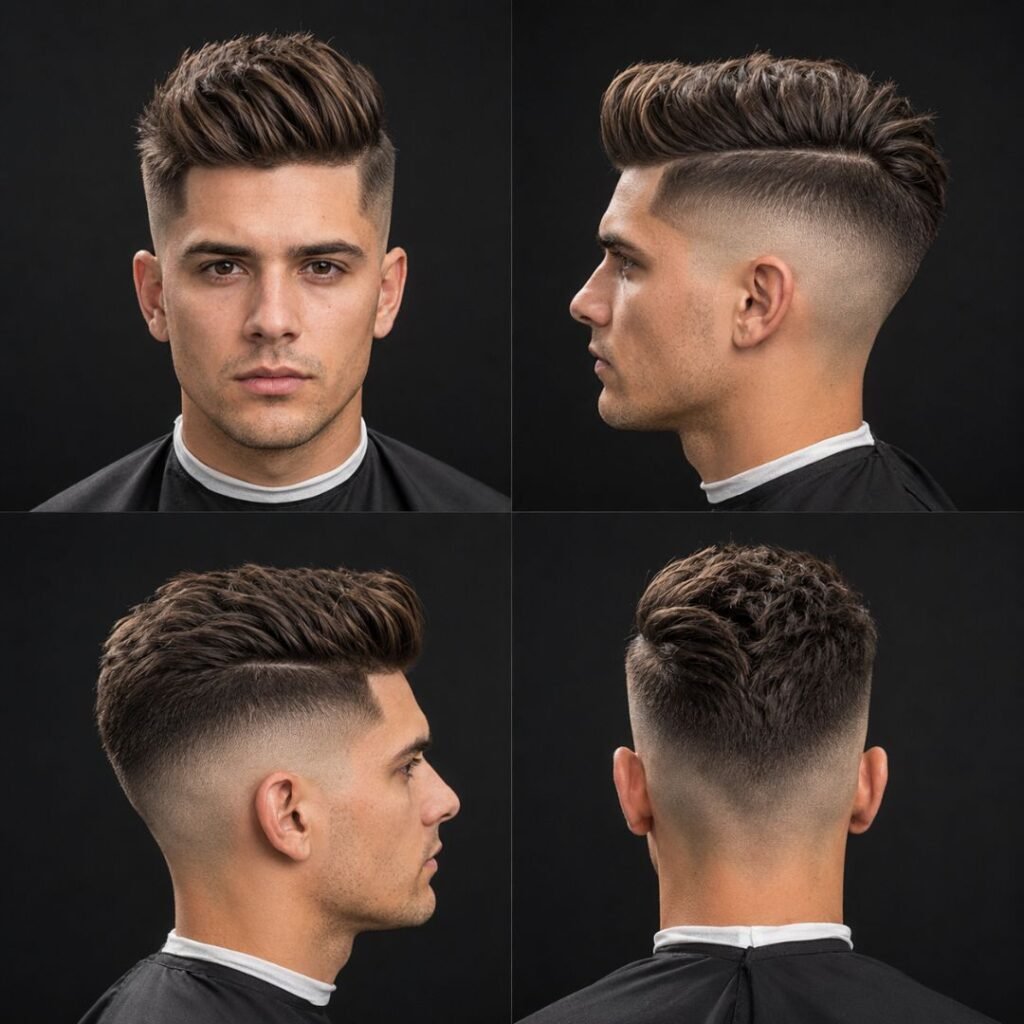
A quiff lifts the front section of hair up and back, and the undercut fade underneath makes that height look even more dramatic. It works best on guys with medium-thick hair that has some natural body to push upward. Sides fade down to a #2, while the front section stays 3 to 4 inches for lift. Blow-dry the front upward first, then lock it with a matte or strong-hold paste.
Business Undercut with Low Skin Fade
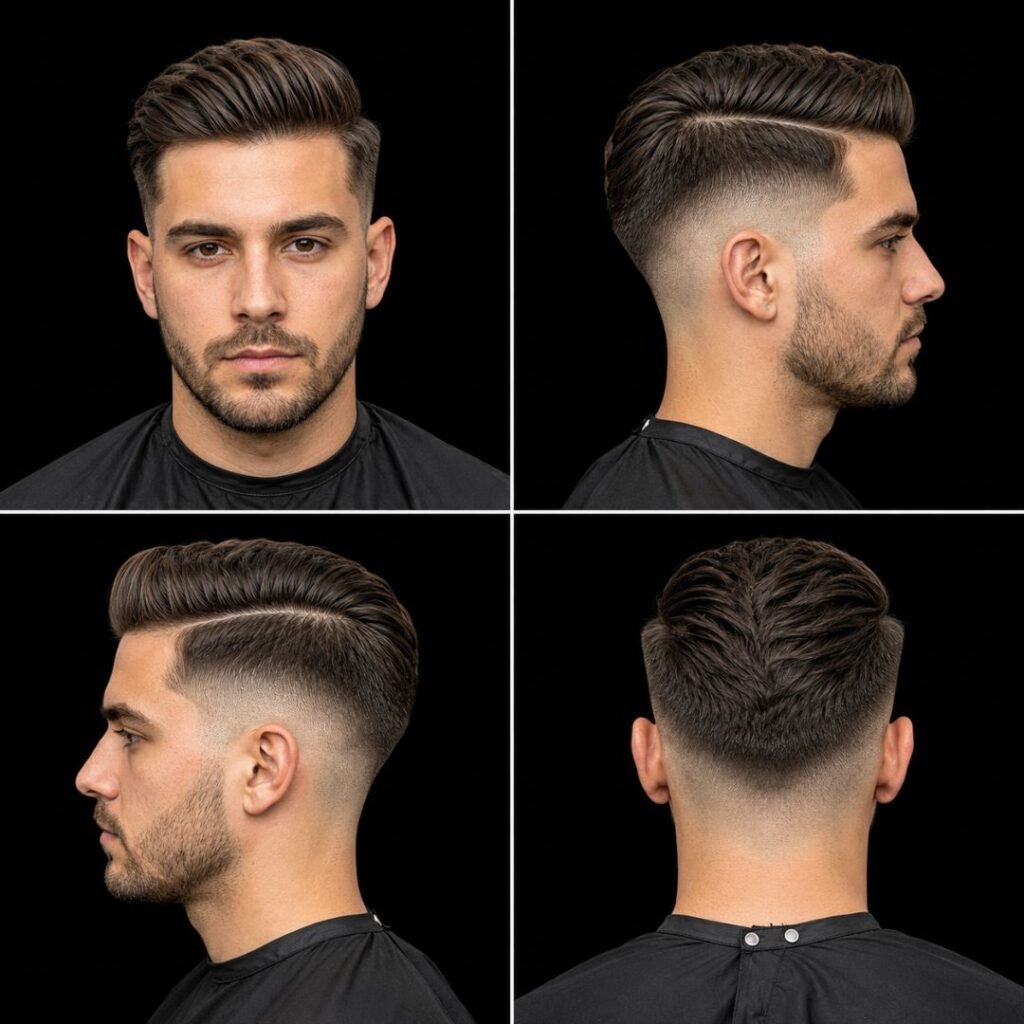
This is a boardroom-safe version of the undercut, using a low skin fade instead of a high one to keep the contrast subtle. It suits guys who need a sharp, professional look that still has some personality underneath. The fade stays low, close to the ear, around a #2, with the top kept to 2 inches and combed neatly. It’s easy to maintain with just a comb and light pomade each morning.
Braided Undercut Fade
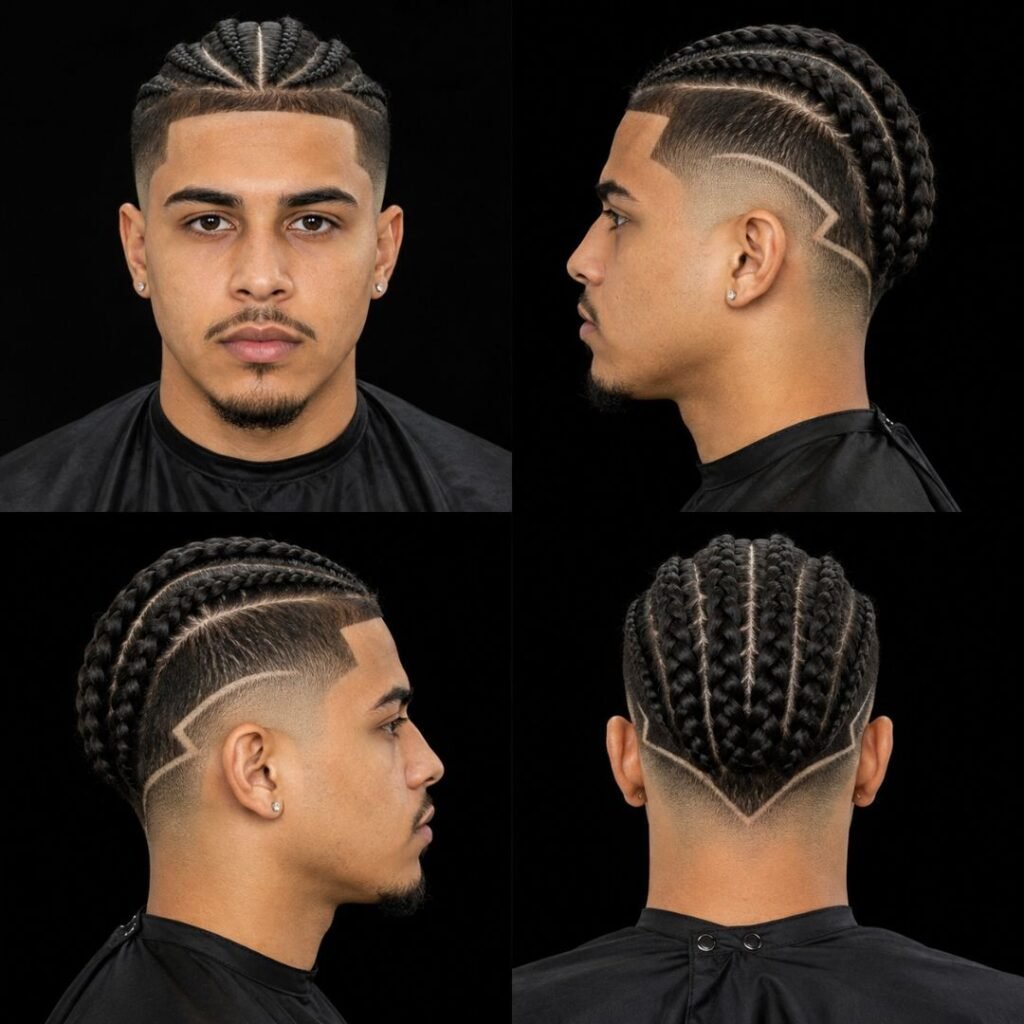
Braiding the top section over a shaved or faded side gives this style a completely different texture from anything else on this list. It works best on hair long enough to actually hold a braid, usually 5 inches or more. Sides go down to a #1 or skin, while the top gets braided back in one or two rows. Braids need to be redone every few days to avoid looking frizzy or loose.
What Is The Undercut Fade?
An undercut fade is a haircut where the sides and back are cut very short and gradually blended, while the top is left noticeably longer. The “undercut” part refers to the short sides, and the “fade” part refers to how those sides blend smoothly instead of stopping in a hard line. This combination is what makes it look sharp on almost any hair type or face shape.
Guard number quick guide:
| Guard Number | Length | Best For |
| #0 (skin) | Bare skin | Skin fades, disconnected sides |
| #1 | 1/8 inch | High and low fades |
| #2 | 1/4 inch | Most common fade base |
| #3 | 3/8 inch | Taper fades, business looks |
| #4 | 1/2 inch | Blending zone near the top |
Price range you should expect: a basic faded undercut runs $25 to $45 at a standard barbershop, $50 to $80 at a premium barbershop or salon, and can hit $100-plus in bigger cities with senior stylists.
What to actually say in the chair: try this line word-for-word — “Give me a skin fade on the sides blending into a #3, keep about 3 inches on top, and I want it disconnected, not blended into a comb over.” That one sentence tells your barber the fade type, the guard numbers, the top length, and the finish, which cuts down on miscommunication a lot.
Face shape matching:
| Face Shape | Best Undercut Style |
| Round | High fade, added height on top |
| Square | Classic or textured undercut |
| Oval | Almost any style works |
| Long | Drop fade pompadour, side part |
| Heart | Classic undercut with a hard part |
Faded undercut curly hair
Curly hair needs the fade cut slightly higher than usual, since curls shrink up and can make a low fade disappear visually. This version suits guys with a defined curl pattern who want short sides without fighting their natural texture on top. A #2 fade blending into natural curls at 2 to 3 inches works well for most curl types. Skip heavy pomades here — a curl cream or light gel keeps the curls looking healthy instead of crunchy.
Faded undercut hairstyle
As a general hairstyle category, the faded undercut covers any cut with short, blended sides and a longer top, styled in dozens of different ways. It suits nearly every hair type, from straight to coily, which is part of why it’s stayed popular for years. The base formula stays the same — a fade guard on the sides, length on top — while styling products and part choice change the finished look. Regular trims every 2 to 4 weeks keep the fade line from growing out and blurring.
Faded undercut female
Women wear faded undercuts too, often on one side of the head or hidden underneath longer top hair for a look that can be tucked away or shown off. This version suits women who want a bold, low-maintenance option without committing to a fully short cut. The fade usually runs from a #1 to a #3, with the top left long enough to cover the shaved section if needed. Because the top hair does double duty covering the fade, regular deep conditioning keeps it from looking damaged where it’s tucked and released daily.
Faded undercut male
For men, the faded undercut remains the most requested variation of the style, largely because it pairs so easily with beards, hats, and different top lengths. It suits basically any guy, from teenagers to professionals in their 50s, since the guard numbers can be adjusted for a more subtle or more dramatic look. Most men land somewhere between a #2 and #3 fade with 2 to 4 inches on top as their go-to combination. A monthly barbershop visit keeps the fade from growing out into a shapeless, patchy look.
The Evolution of Undercut Fade Haircuts
The undercut actually dates back over a century, worn by soldiers and factory workers who needed short, practical hair that stayed out of machinery and helmets. It resurfaced in the 1980s punk scene, then again in the 2010s when barbershop culture and fade techniques exploded on social media. Clipper technology improved a lot during that time, which let barbers create smoother, more precise blends than older hand-clipper methods allowed. Today’s faded undercut borrows the short-sides idea from its military roots but adds decades of styling and fading technique on top. That’s why you now see it on everyone from athletes to office workers to guys in barbershop reels online.
FAQ’s
How long does a faded undercut last before it needs a trim?
Most faded undercuts need a refresh every 2 to 4 weeks, depending on how high the fade sits.
Does a faded undercut work with thin hair?
Yes, thinner hair often looks fuller after an undercut since the short sides create more contrast against the top.
What’s the difference between an undercut and a regular fade?
A fade blends gradually from skin to longer hair, while an undercut specifically means the top is left noticeably longer than the sides.
Can I get a faded undercut with a beard?
Yes, most barbers will line up the beard and fade together in the same appointment for a matched look.
Is a faded undercut hard to grow out?
It grows out easier than a full buzz cut since the top length gives you room to blend as the sides fill in.
What guard number is a skin fade?
A true skin fade starts at a #0, right down to bare skin, before blending upward into longer guards.
Conclusion
A faded undercut is one of those haircuts that just works, whether you want something sharp for the office or bold enough to turn heads. Pick a style from this list, save the photo, and use the exact wording above when you sit down in the chair. Your barber will thank you for the clear direction, and you’ll walk out with a cut that actually matches what you pictured.