Taper vs Fade vs Blend: Key Differences Explained
Walk into any barbershop and say “give me a fade” and you might get three different haircuts from three different barbers. That’s the problem with taper vs fade vs blend. These words get thrown around like they mean the same thing. They don’t. Once you know the real difference, you’ll never leave the chair with the wrong cut again.
This guide breaks down every version — low, mid, high, skin, burst, drop, shadow, temple — plus guard numbers, real prices, and word-for-word scripts to use with your barber.
What Is a Taper Fade?
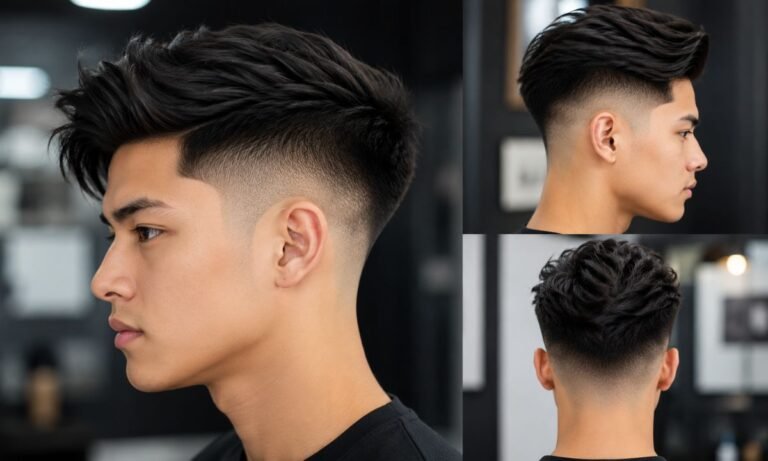
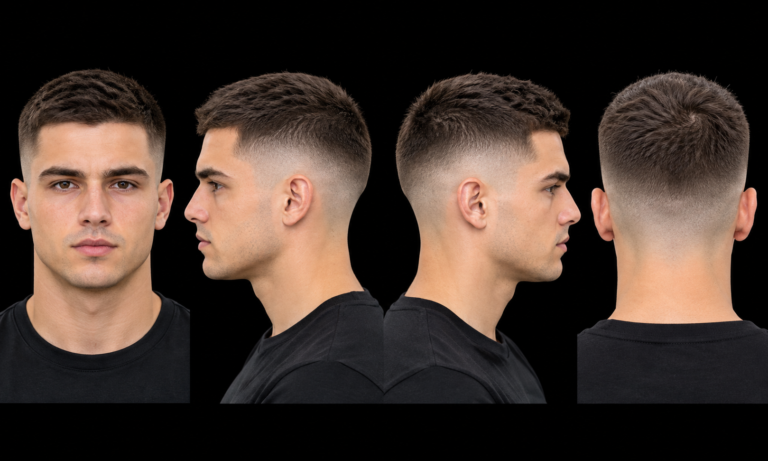
A taper fade is a haircut where the hair gradually gets shorter as it moves down toward the neck and ears. It’s the most common cut in barbershops today. The top stays longer while the sides and back shrink down smoothly, with no harsh lines.
Barbers usually start with clippers at a guard 3 or 4 on top and work down to a guard 1 or skin near the hairline. The key word is “gradual.” A good taper fade shows no visible line where one length stops and the next starts.
Taper vs. Fade: What’s the Difference?
A taper keeps length through the sides, while a fade cuts the sides down to skin or close to it. That’s the short version. A taper is more subtle. It tapers hair shorter but never removes it completely.
A fade goes further. It fades hair from longer at the top all the way down to bare skin at some point on the head. Every fade is technically a type of taper, but not every taper is a fade. Think of a fade as the more extreme cousin of the taper.
| Feature | Taper | Fade |
| Shortest point | Guard 1-2, rarely skin | Skin or near-skin |
| Contrast | Low to medium | Medium to high |
| Best for | Office jobs, low-key styles | Bold, sharp looks |
| Upkeep | Every 3-4 weeks | Every 2-3 weeks |
| Cost | $20-$45 | $30-$60 |
What Is the Difference Between a Blend and a Fade Haircut?
A blend haircut smooths two different lengths together without cutting all the way to skin. A fade almost always drops to skin at some point on the head. Blends are softer and work well for men who don’t want a dramatic contrast.
A barber creating a blend uses clippers with a comb or a longer guard to melt the top length into the side length. There’s no bald strip anywhere. This makes a blend a safer choice for curly or coarse hair, since skin fades can expose scalp patches that don’t suit every texture.
Also Read This Style: Middle Part Haircut: 30 Trendy Styles for Men
What Is a Taper Fade Blend?
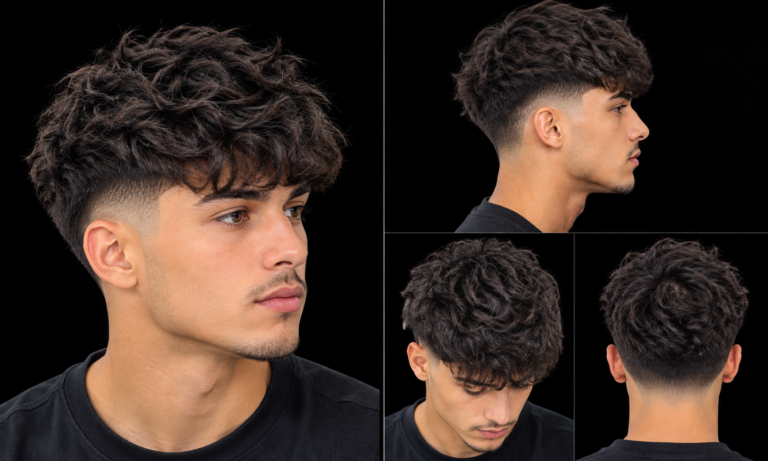
A taper fade blend combines all three techniques into one cut. The sides fade down toward the skin, the back tapers into the neckline, and the transition between the top and sides is blended smooth. It’s the cut most guys actually mean when they say “just give me a fade.”
This is the most requested style at barbershops in 2025, because it looks sharp without looking severe. You get the crisp sides of a fade with the natural blend that keeps the cut looking soft up top.
The 3 Foundation Types of Taper Fade
Every fade style you see online is a variation on one of these three heights. Learn these first, and every other name on this list will make sense.
Low Taper Fade
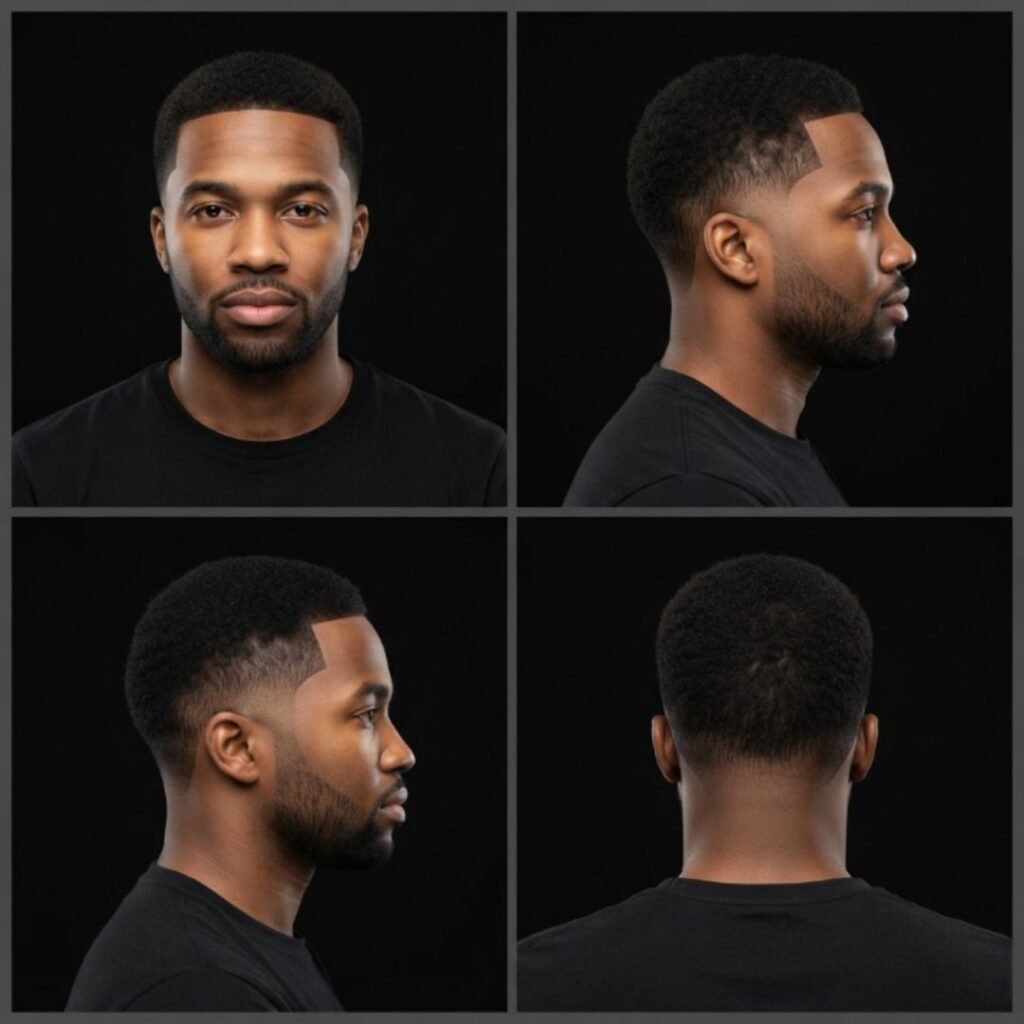
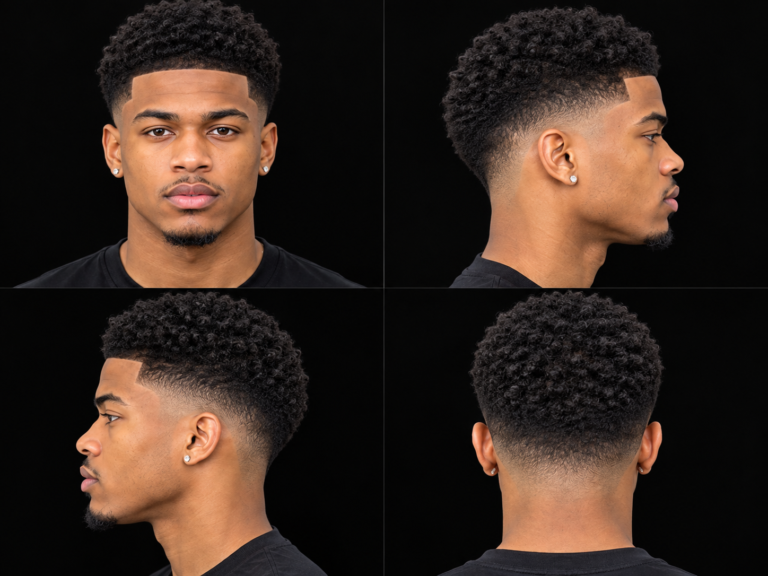
A low taper fade starts fading right above the ear and stays close to the hairline. It’s the most conservative fade height, keeping most of the side hair intact. Guys with formal jobs or conservative dress codes usually ask for this one.
This cut suits round and square face shapes best, since it doesn’t add height or draw the eye upward. Tell your barber “low fade, blend it at the hairline, guard 1 at the bottom.” Because the fade sits so low, regrowth barely shows, so you can stretch visits to four weeks.
Mid Taper Fade
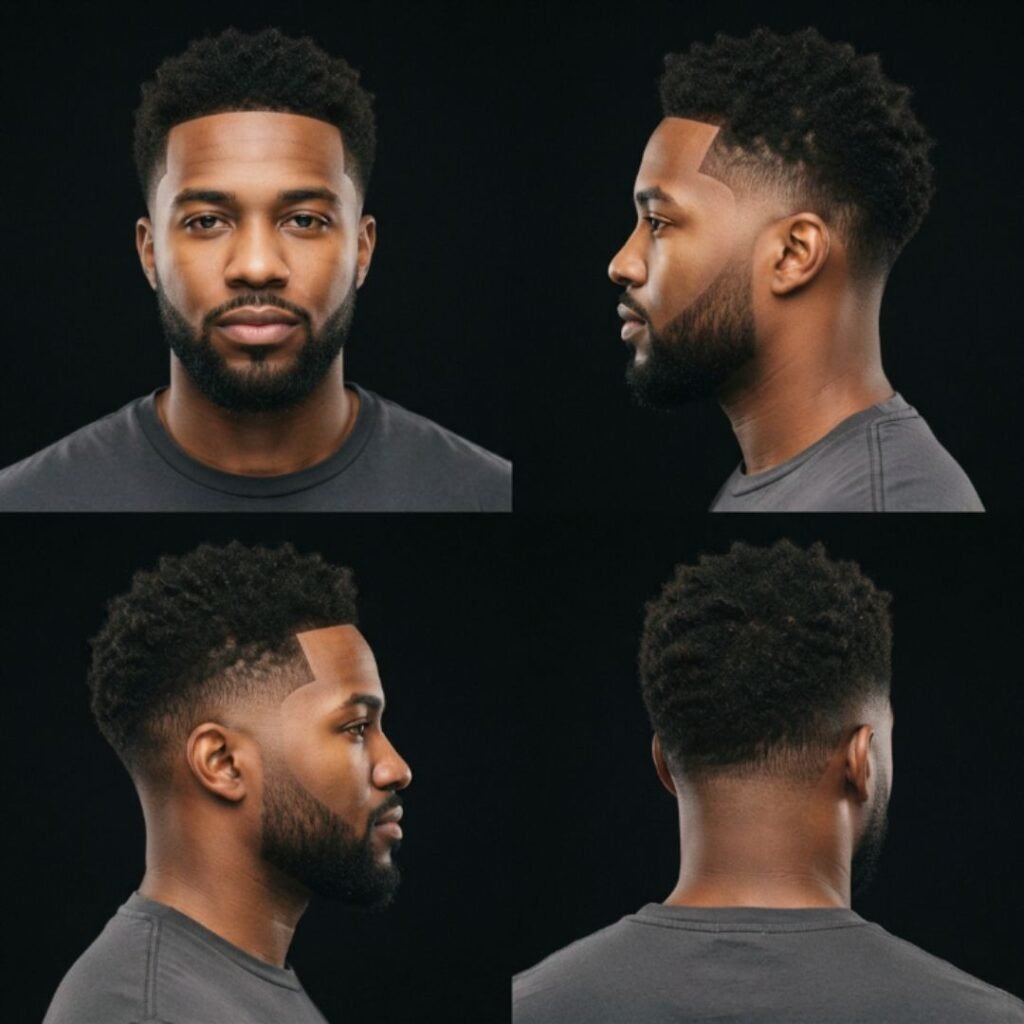
A mid taper fade begins its blend at the temple, roughly halfway up the side of the head. It splits the difference between subtle and sharp, which is why it’s the most popular fade height overall. Most barbers default to mid unless you say otherwise.
Oval and oblong face shapes look great with a mid fade because it balances the face without changing its shape. Ask for “mid fade starting at the temple, skin at the bottom, guard 3 on top.” Plan on a touch-up every three weeks, since the mid-height line grows out faster than a low fade.
High Taper Fade
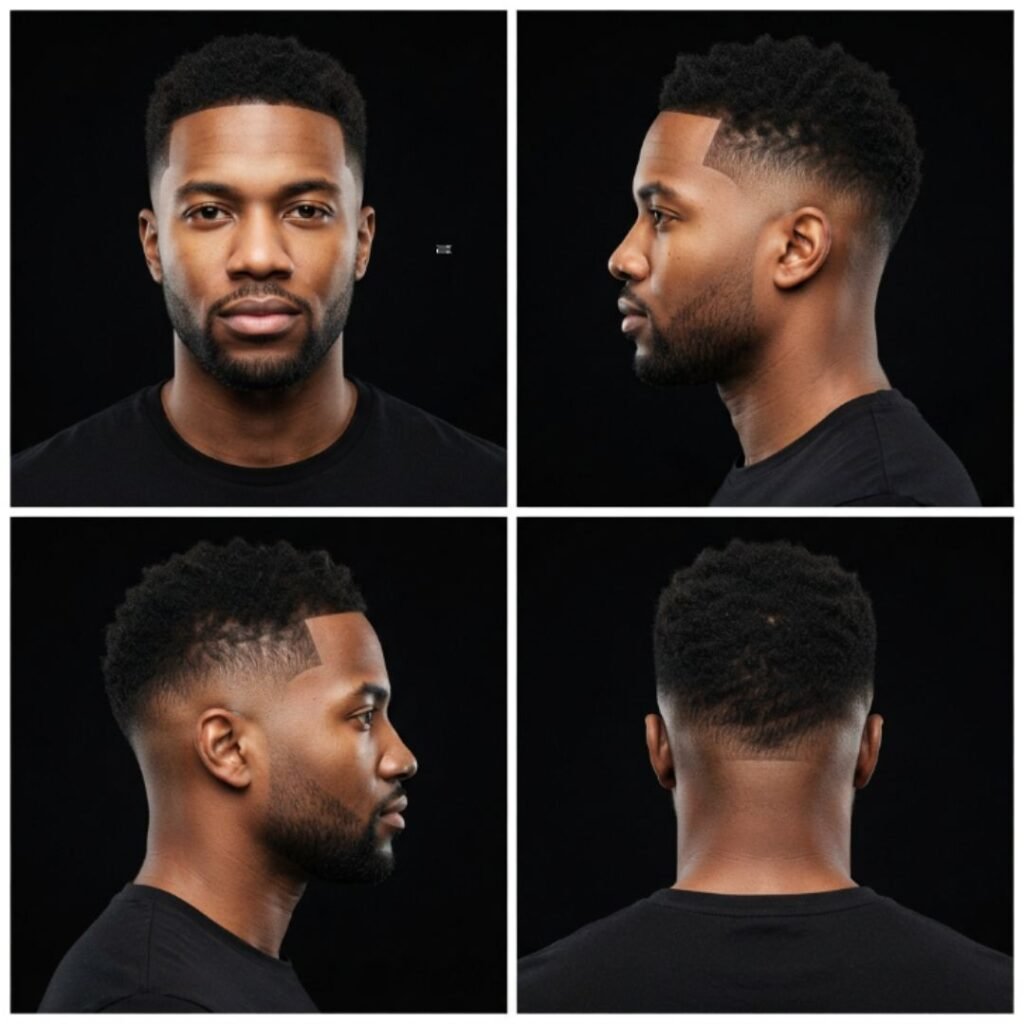
A high taper fade starts near the top of the head, sometimes just below the crown. It creates the most contrast between the top length and the sides, giving a bold, clean look. This is the fade guys pick when they want the haircut to make a statement.
Round faces benefit most from a high fade, since the added height slims the face visually. Say “high fade, take it up past the temple, skin fade at the bottom” so your barber knows exactly where to start. Because the line sits higher, you’ll need a fresh cut every two weeks to keep it crisp.
Advanced Technique Variants: Beyond Basic Height
Once you know low, mid, and high, these five variants build on top of that foundation. Each one changes the technique, not just the height.
Skin Fade / Bald Fade Taper
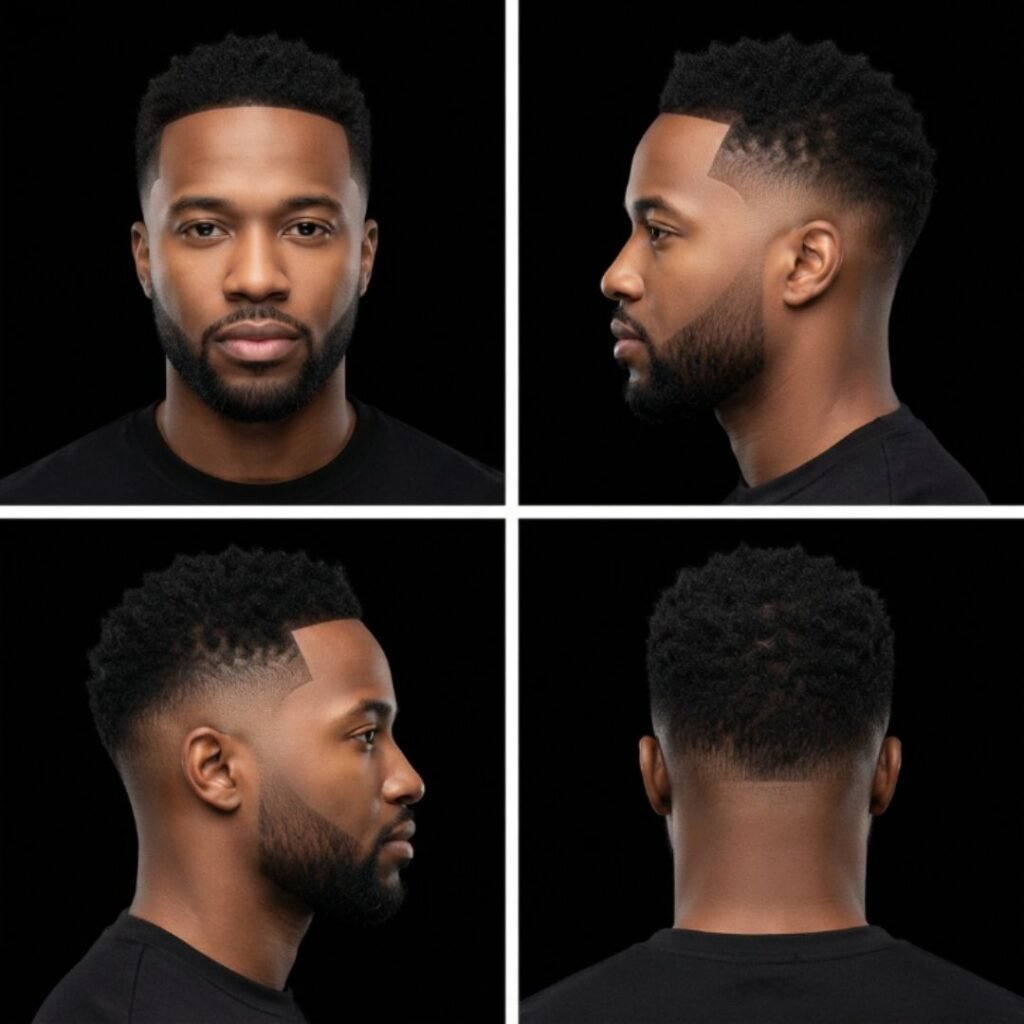
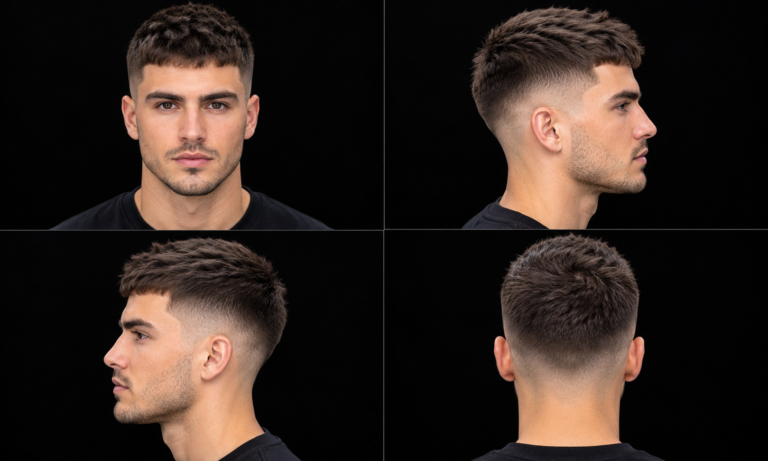
A skin fade takes the hair down to bare scalp at its shortest point, using clippers with no guard at all. It’s the sharpest version of any fade height and works at low, mid, or high. Guys who want maximum contrast between top and sides choose this one most.
Fine or straight hair shows off a skin fade the cleanest, since it leaves a crisp, visible line against the scalp. Ask your barber to “take it to skin, blend it up with a 1.5 guard.” Skin fades grow out fastest of all fade types, so budget for a cut every 10 to 14 days.
Burst Taper Fade
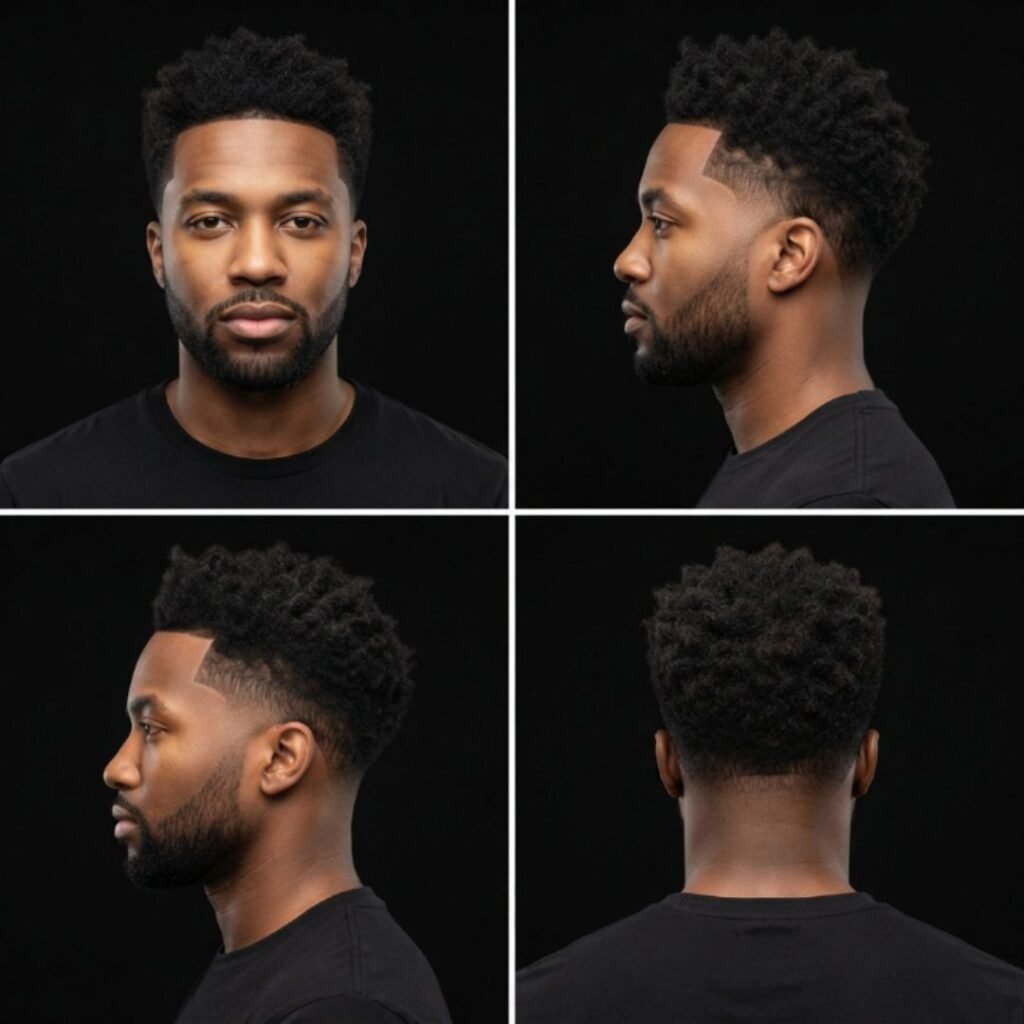
A burst fade curves around the ear instead of running in a straight line across the head. It gets its name because the fade “bursts” outward in a half-circle shape near the ear. This variant pairs especially well with longer top styles like curls or waves.
Men with curly or textured hair love the burst fade because it frames the ear without cutting a harsh line across the back. Tell your barber “burst fade around the ears only, leave length in the back.” Since it doesn’t wrap the whole head, a burst fade can often go three to four weeks between visits.
Drop Fade Taper
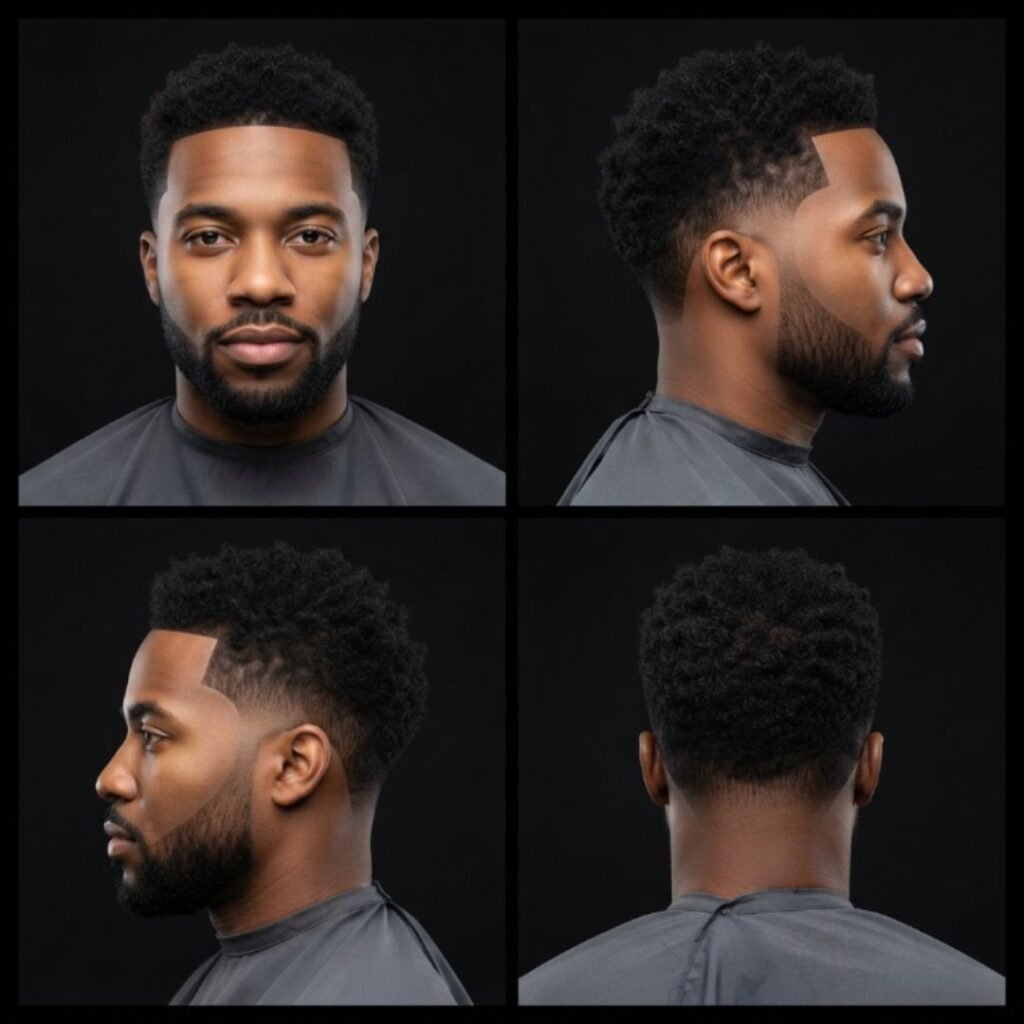
A drop fade dips lower behind the ear before curving back up toward the nape of the neck. Instead of a straight fade line, it drops down in a C-shape. This variant adds shape to cuts that would otherwise look flat on the sides.
Guys with rounder heads or thicker hair on top get the most visual benefit, since the drop shape adds definition. Say “drop fade, curve it behind the ear, skin fade at the lowest point.” Because the shape is more detailed, ask for it by name specifically — a general “fade” request won’t get you this cut.
Shadow Taper Fade
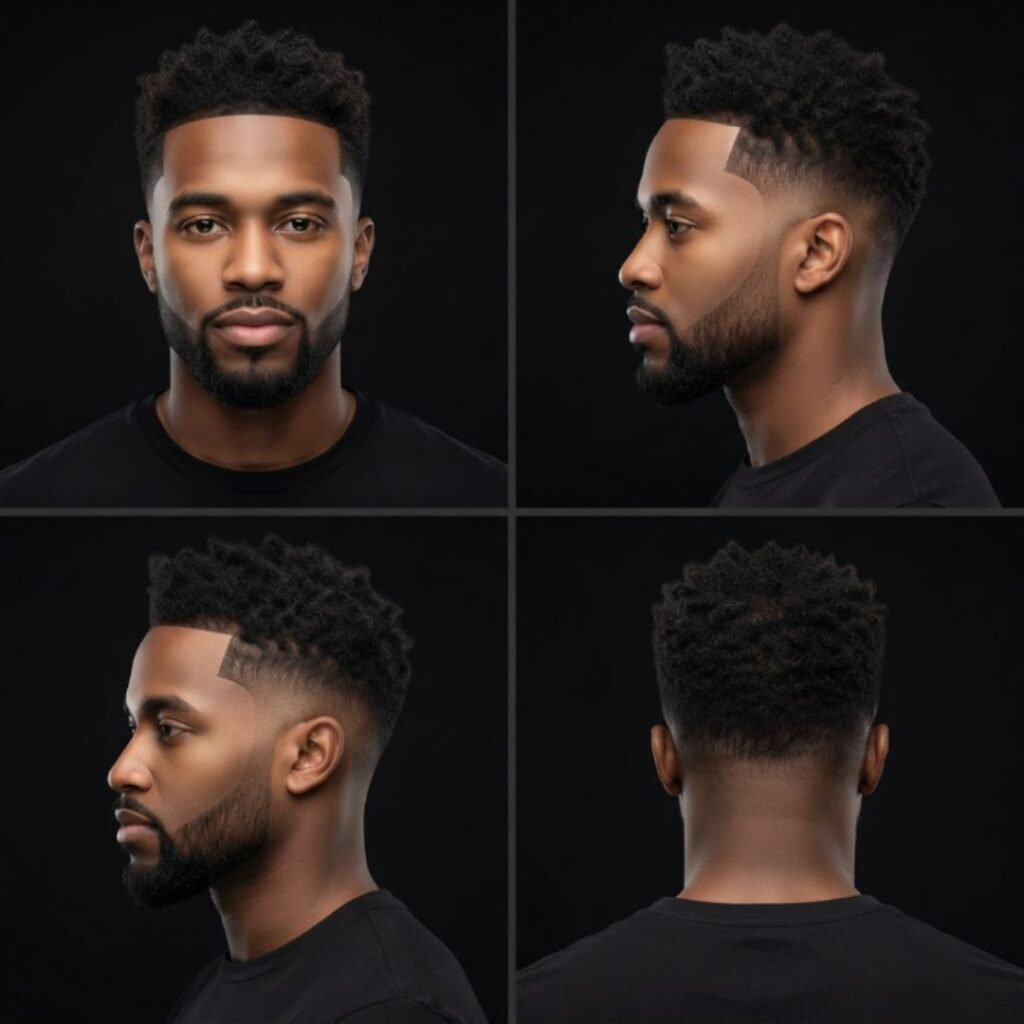
A shadow fade uses clippers with a guard the whole way down instead of going to bare skin. It creates a soft, shadowy gradient rather than a crisp line. This is the go-to choice for men who want the fade look without the maintenance of a true skin fade.
Older guys and anyone with thinning hair often prefer a shadow fade, since it looks fuller and less severe. Tell your barber “shadow fade, no skin, keep a guard 0.5 at the lowest point.” Regrowth barely shows on a shadow fade, so four to five weeks between cuts is normal.
Temple Fade (Brooklyn Fade)
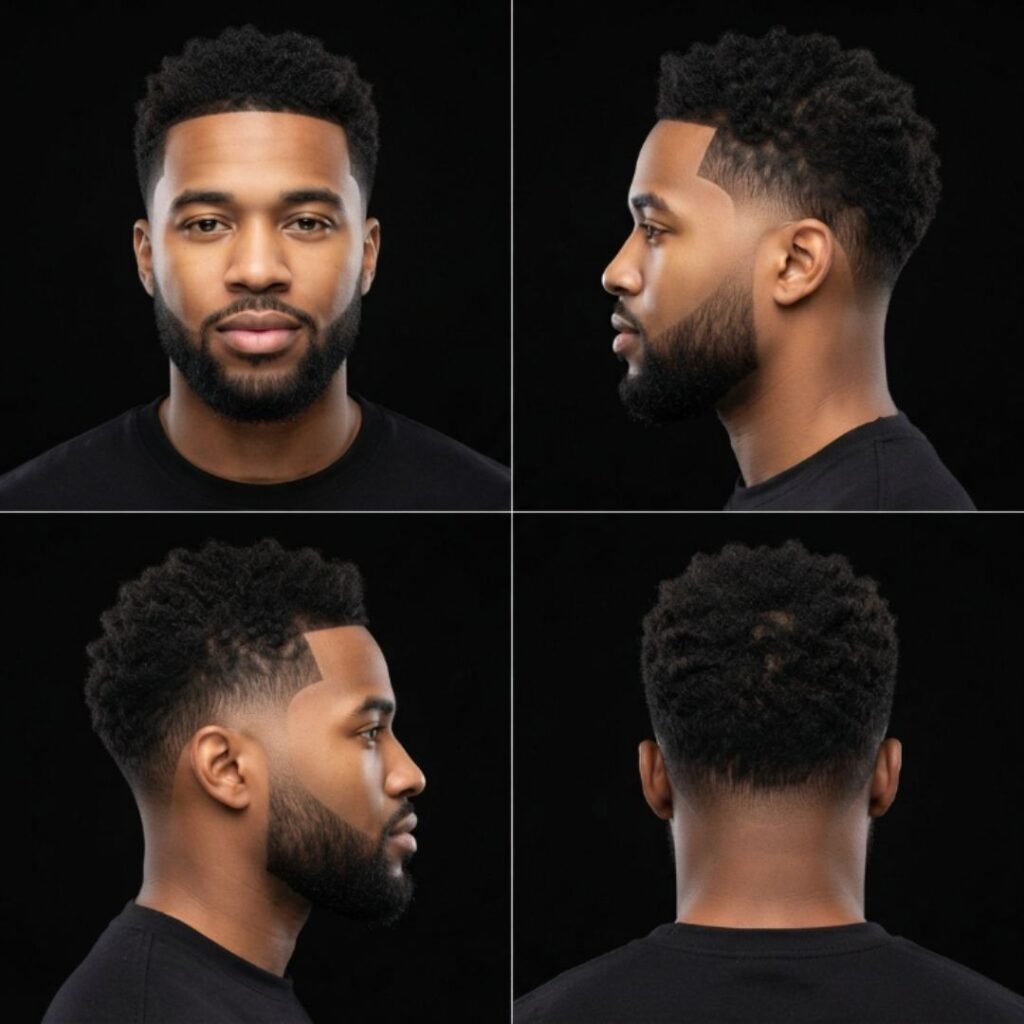
A temple fade only fades the hair right around the temple area, leaving the rest of the sides longer. It’s a small, focused fade rather than one that wraps the whole head. This style got its nickname from its popularity in Brooklyn barbershops.
It works best on guys with an undercut or slicked-back style on top, since the temple fade cleans up the sides without shrinking overall volume. Ask for “temple fade only, leave the rest of the sides as is.” Because it’s a small area, touch-ups are quick and cheap, often under $15 at most shops.
Taper Fade Styles by Hair Type & Texture
The same fade height looks different depending on your hair texture. Here’s how each type holds up.
Taper Fade for Curly Hair
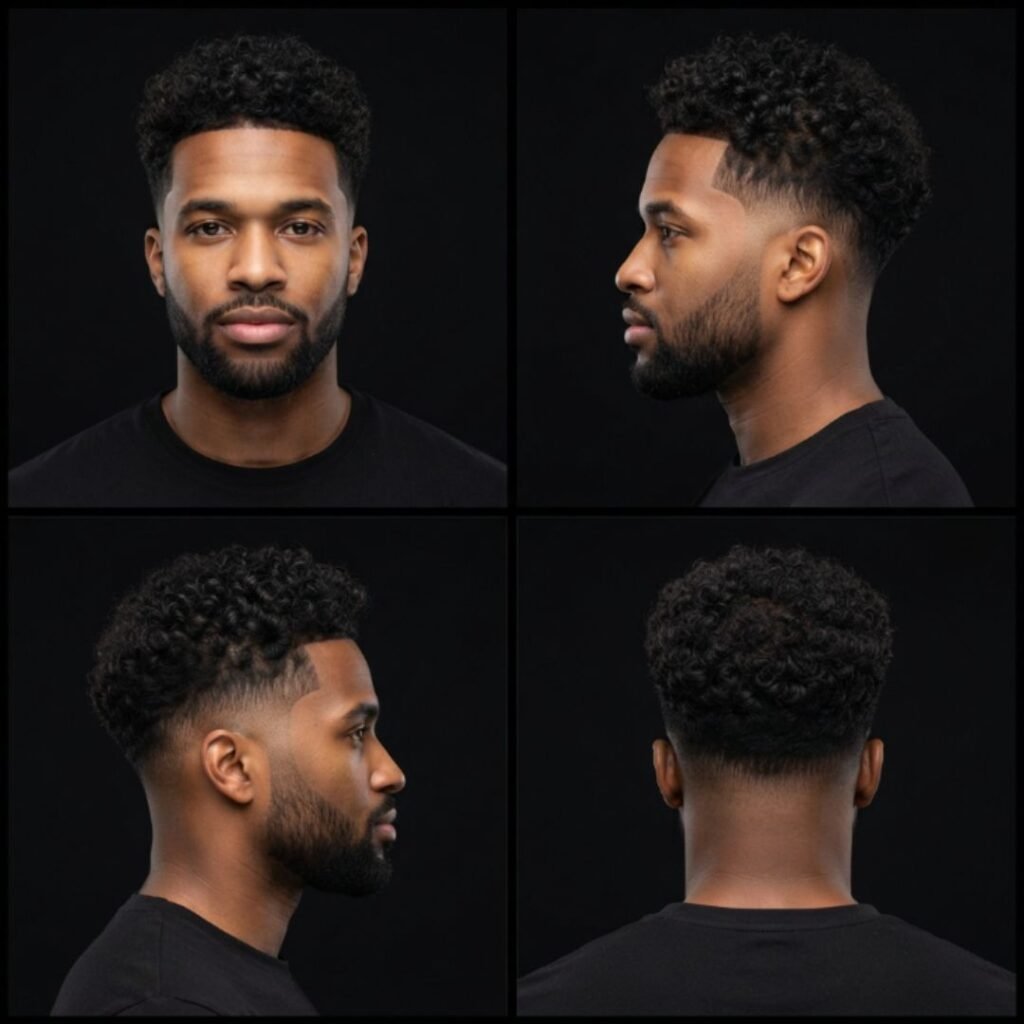
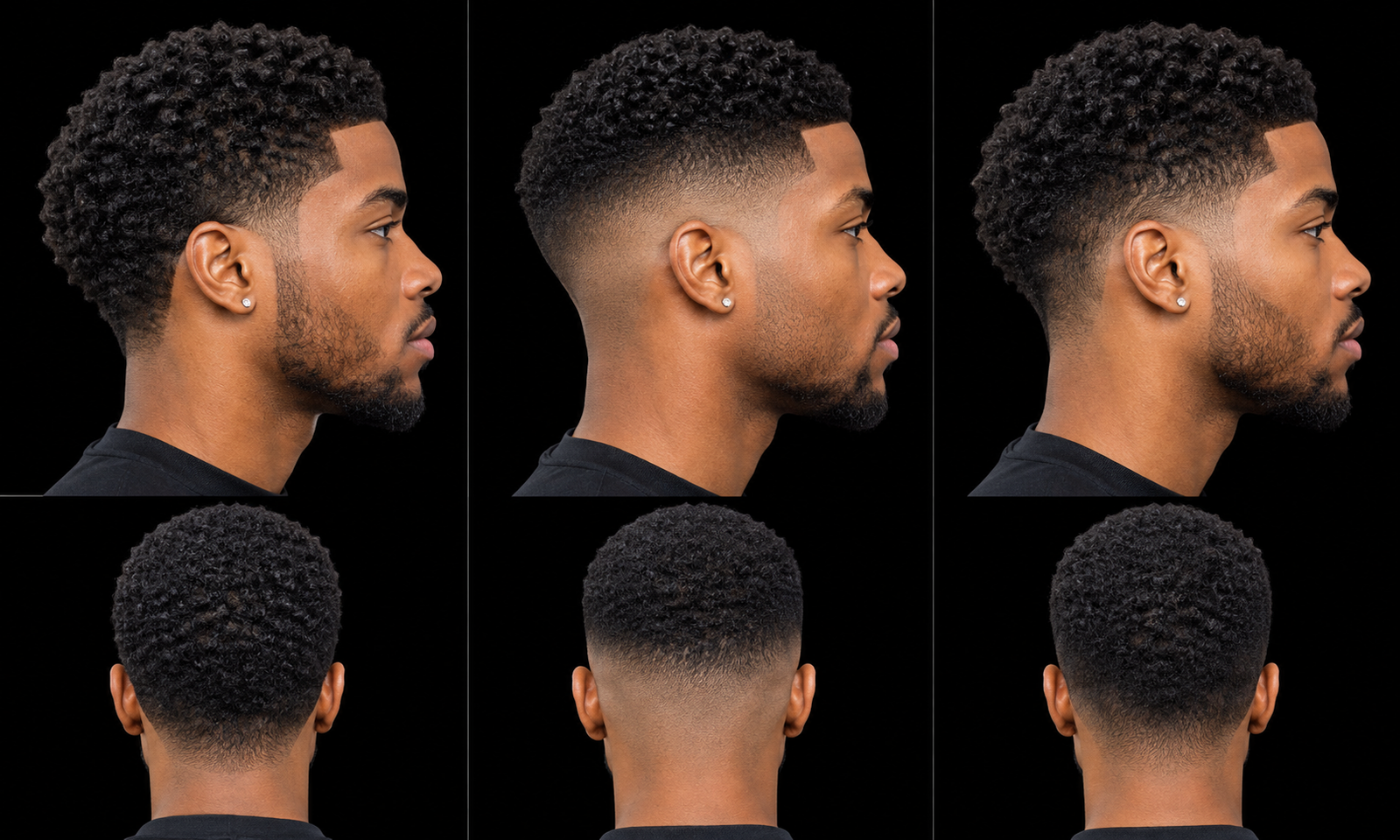
Curly hair holds a fade shape longer than straight hair because the curls add natural volume on top. A low or mid fade works best, since high fades can look uneven against tight curl patterns. Ask your barber to “cut the curls dry first” so they can see the natural shrinkage before fading the sides.
Curly-haired guys should expect to stretch visits to four weeks, since curls hide regrowth better than straight hair.
Taper Fade for Straight Hair
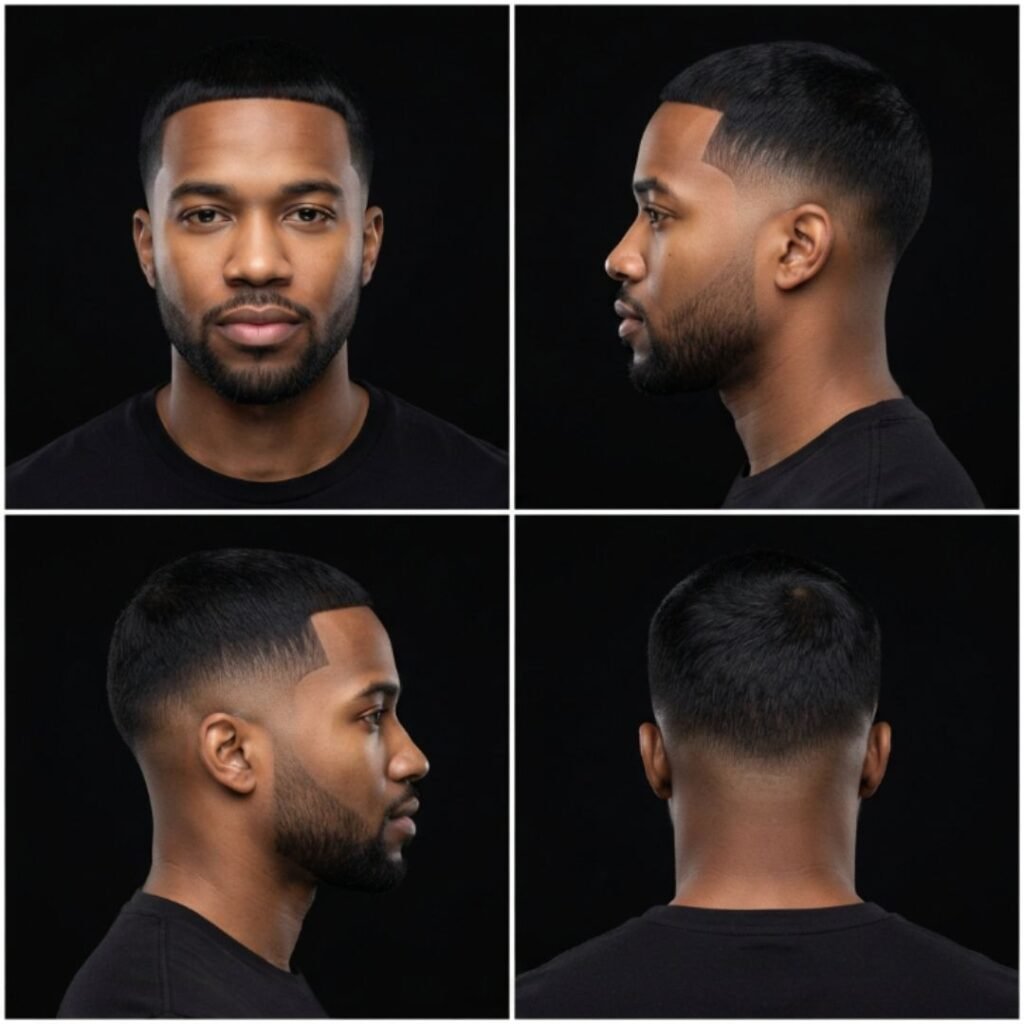
Straight hair shows off a crisp fade line better than any other texture. High and skin fades look sharpest here, since there’s no curl pattern to soften the transition. Tell your barber “keep the line sharp, I have straight hair so it’ll show.”
Because regrowth is obvious fast on straight hair, plan for a cut every two to three weeks to keep the line clean.
Taper Fade for Afro Hair
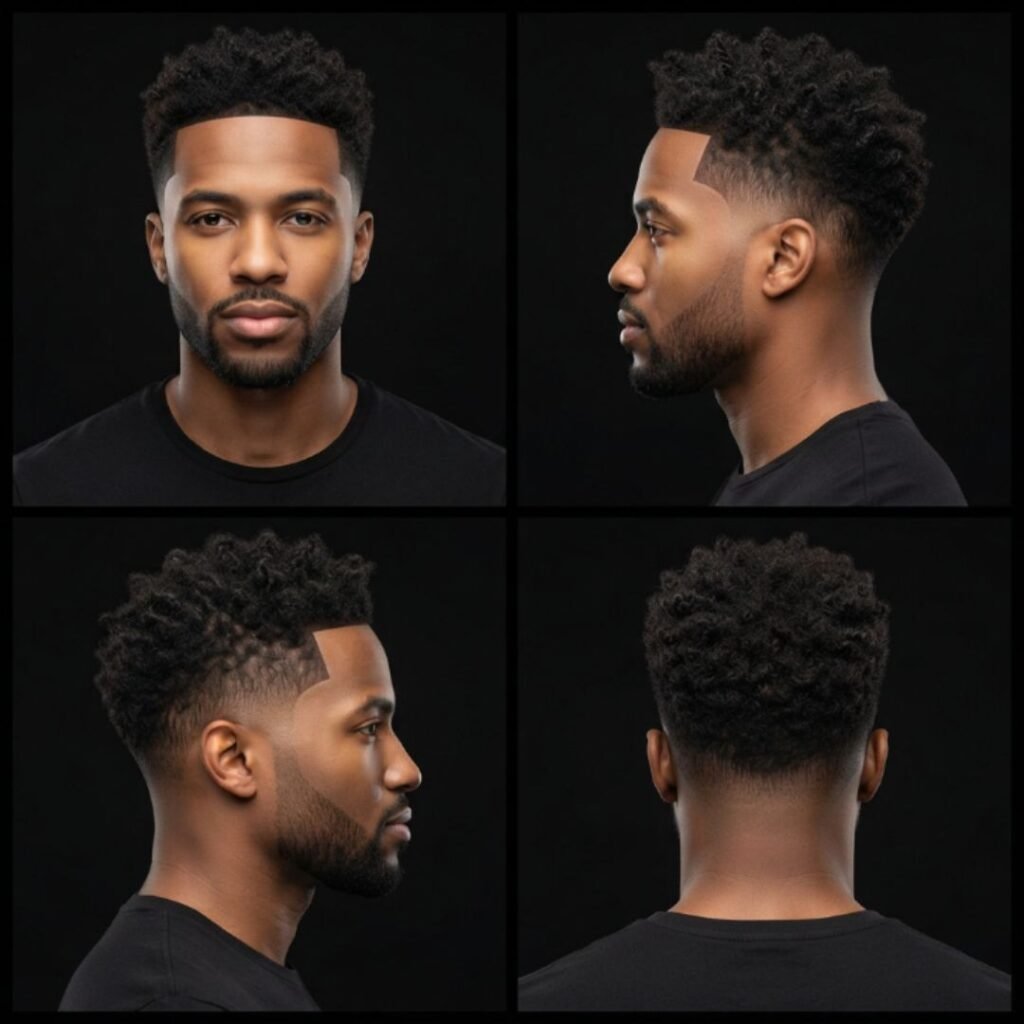
Afro hair pairs well with mid and high fades, since the natural volume on top balances out the shorter sides. A skin fade against afro texture creates one of the boldest contrasts in barbering. Say “fade it with a 1 guard, then skin it out at the bottom” for a clean, defined edge.
Afro hair needs a line-up alongside the fade every one to two weeks to keep edges crisp between full cuts.
Taper Fade for Asian Hair
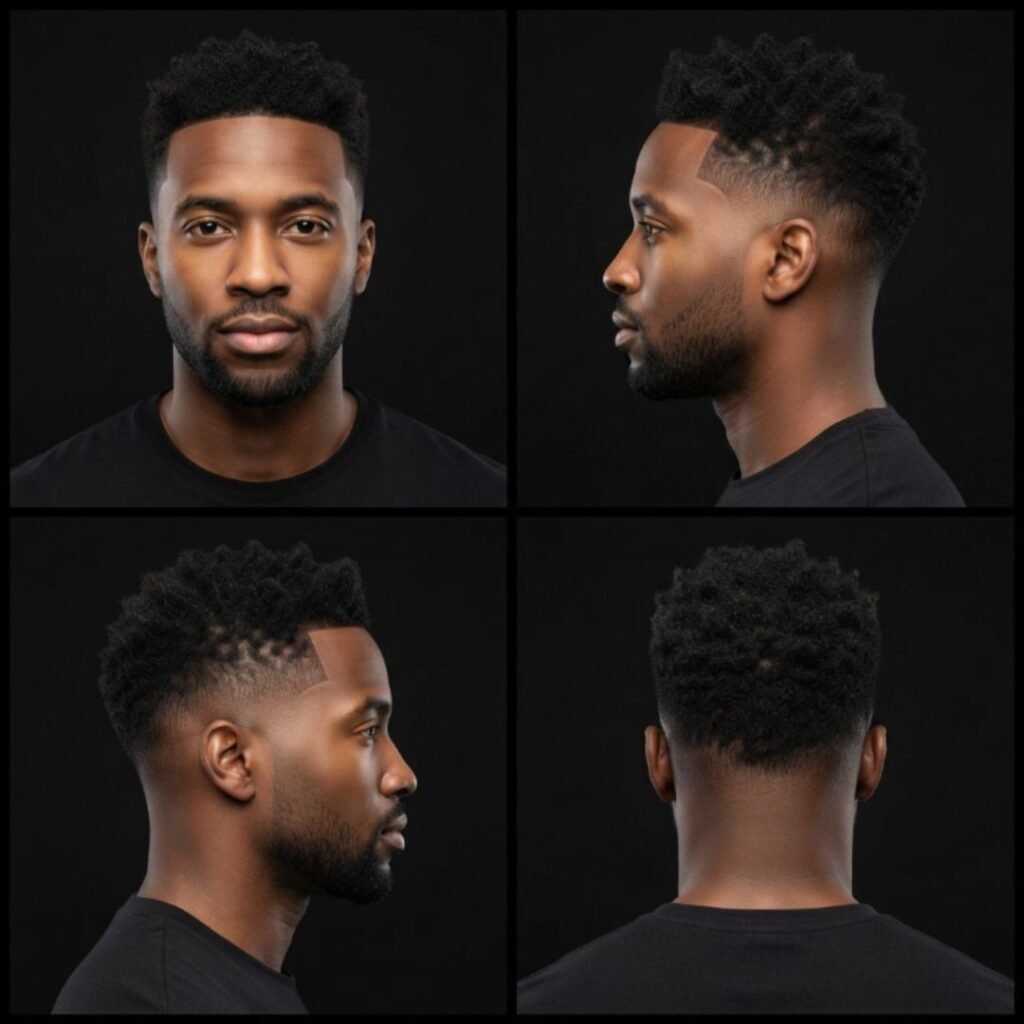
Asian hair tends to be thick and straight, which holds a taper fade shape cleanly without much product. Low and mid fades suit this texture well, especially paired with a textured or messy top. Tell your barber “thin out the top a bit, it’s thick, and blend the sides to a 2.”
Because Asian hair grows fast and thick, expect to book a touch-up every two to three weeks.
Which Is Better, Taper or Fade?
Neither one is better — it depends on how much contrast you want. A taper suits guys who want a low-key, professional look with soft transitions. A fade suits guys who want sharper lines and more visual impact.
If you’re unsure, ask your barber for a taper fade blend. It gives you the crisp sides of a fade with the soft, natural blend of a taper, so you get the best of both without picking wrong.
Also Read This Style: Mid Taper Blowout Fringe: 9 Stylish Haircuts for Men
FAQs
What is the difference between a taper and a fade?
A taper gradually shortens hair at the edges without reaching the skin, while a fade blends hair down to bare skin for a more dramatic contrast.
Is a blend the same as a fade?
No. A blend uses scissors or clippers to smoothly merge two lengths without exposing skin, while a fade always cuts down to skin at some point.
Which is better, taper or fade?
Neither is “better” — tapers suit conservative, professional looks, while fades suit bolder, higher-contrast styles. It depends on personal preference.
Does a taper look more professional than a fade?
Yes, generally. Tapers are subtler and often preferred in corporate or formal settings, while fades are more common in trendy or casual styles.
Can you get a taper and a fade together?
Yes. Many haircuts combine a tapered top with a faded back and sides for a blended, versatile look.
Summary
Taper vs fade vs blend comes down to one thing: how much contrast you want between your top and sides. A taper stays soft, a fade goes sharp, and a blend melts the two together with no harsh lines anywhere. Bring the guard numbers and scripts from this guide to your next appointment, and you’ll walk out with exactly the cut you asked for.